AI Vision Links Business Goals to Delivery: 5 Steps
Turn one business goal into a controlled AI pilot in five steps: define outcome, rank use cases, check readiness, assign owners and plan delivery.
Read moreBlog posts in the Compliance Management category

Turn one business goal into a controlled AI pilot in five steps: define outcome, rank use cases, check readiness, assign owners and plan delivery.
Read more
Compare six tools for staffing, environment bookings and release workflows; prioritise bottlenecks, verify data and run a UK pilot.
Read more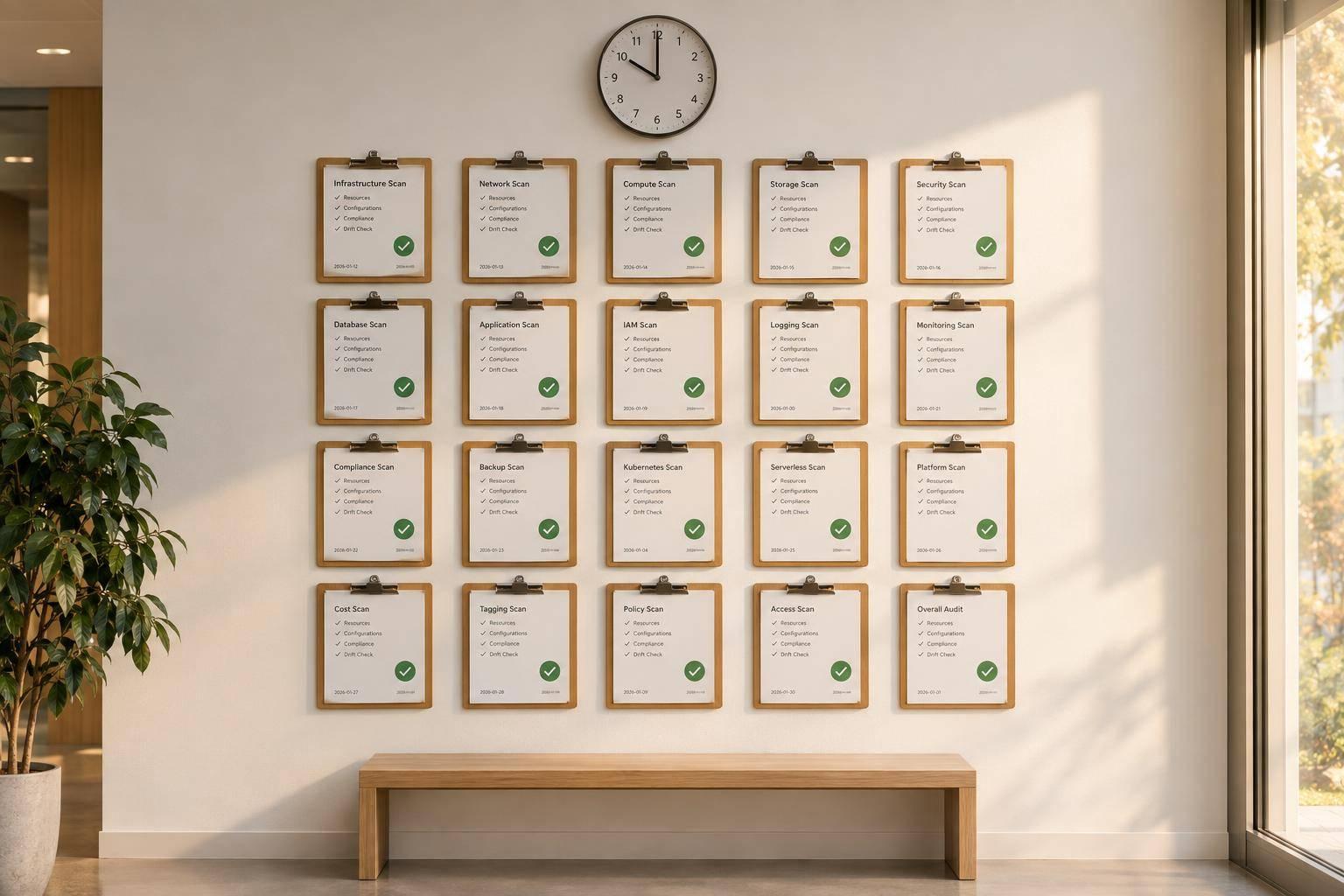
Measure IaC drift by verified fixes, not alerts: ensure estate-wide coverage, timed scans, policy approvals and audit-ready closures.
Read more
Pick the GitOps model that matches your on-call, approval and Helm needs — ensure one reconciler per mesh resource to avoid drift.
Read more
Compare seven cloud security monitoring tools by coverage, setup, alert quality, compliance and DevOps fit to pick the right tool.
Read more
Route AI agent tasks by risk with event-driven orchestration: stateful workflows, approval gates, retries and observability.
Read more
Compare eight CI/CD security tools by what they scan, CI fit, data residency and governance for UK buyers.
Read more
Single policy model for AWS, Azure and Google Cloud covering ownership, classification, change control, access, retention and drift checks.
Read more
Six cross-account IAM patterns, controls and risks for AWS: CI/CD, logging, security tooling, data, break‑glass and vendor access.
Read more
Hybrid CI/CD assessment by deployment flow, self‑hosted execution, package governance, compliance and cost.
Read more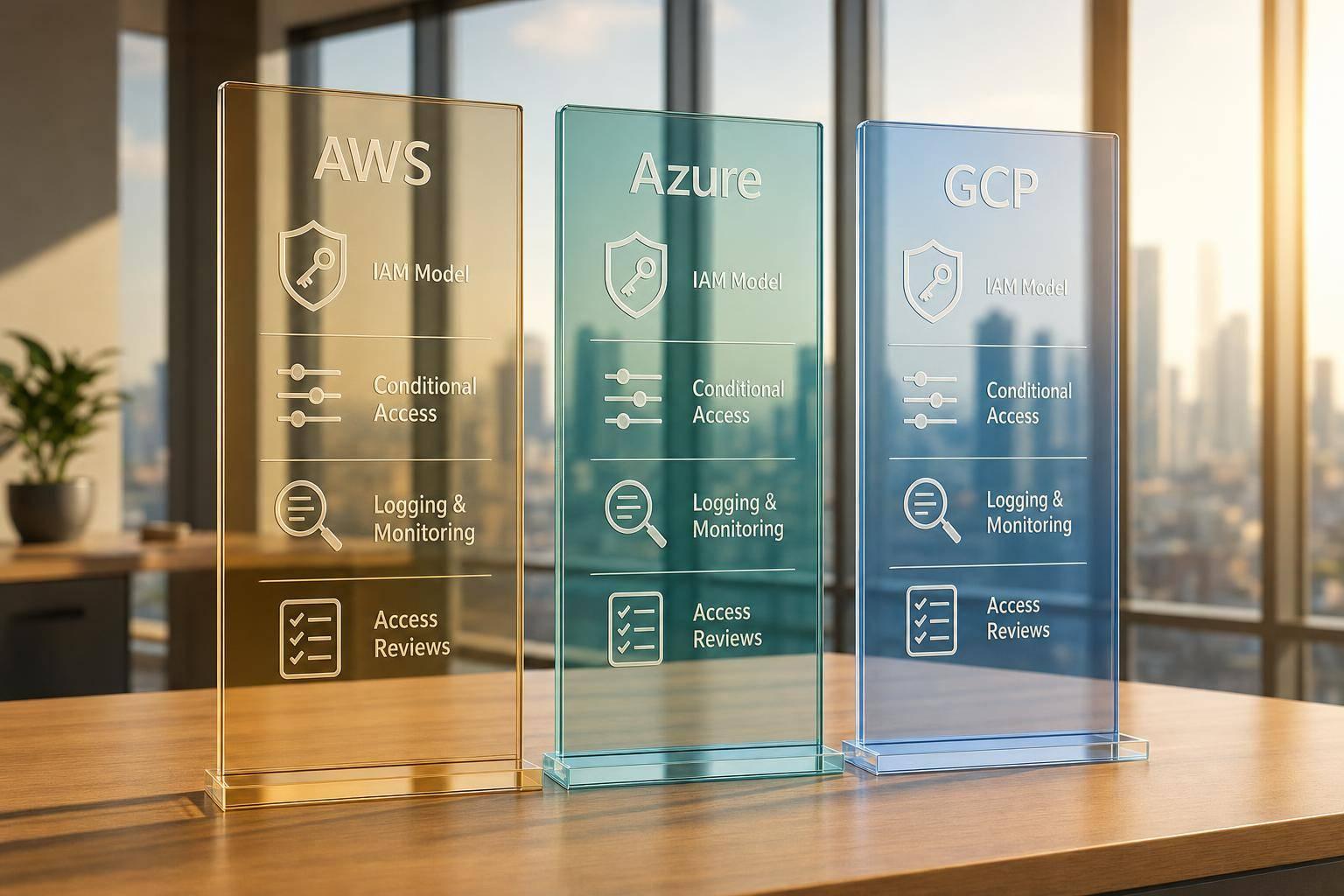
Compare IAM models, conditional controls, logging and access reviews across AWS, Azure and GCP to pick the right cloud identity approach.
Read more
AI selects, orders and maintains CI/CD regression tests to cut pipeline time and cost; humans keep control over high-risk releases and compliance.
Read more