AI Vision Links Business Goals to Delivery: 5 Steps
Turn one business goal into a controlled AI pilot in five steps: define outcome, rank use cases, check readiness, assign owners and plan delivery.
Read more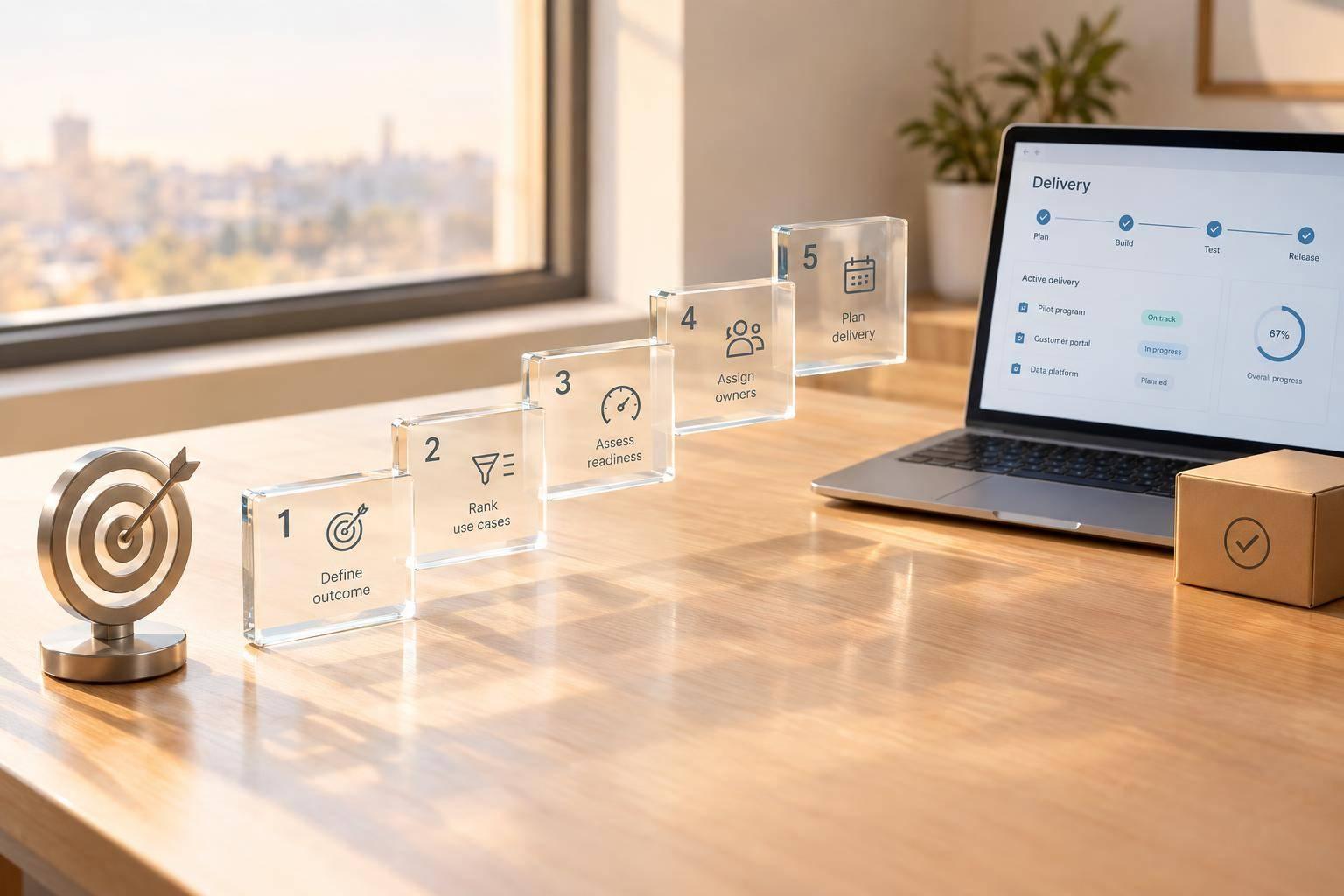
Turn one business goal into a controlled AI pilot in five steps: define outcome, rank use cases, check readiness, assign owners and plan delivery.
Read more
Save durable checkpoints, replay recorded results and use idempotency to recover AI agent workflows without duplicating external actions.
Read more
Compare prompt chaining and single prompts by balancing accuracy, latency, tokens, privacy and cost per successful task.
Read more
BOJ Deputy Governor Uchida says AI is a big demand shock; AI-related bond issuance pushes up long-term rates.
Read more
ITC Infotech launches VANGUARDS programme: elite forward deployed engineers to accelerate enterprise AI transformation.
Read more
BMW will cut 20% of management as AI streamlines development and trims model variants by 2027.
Read more
TMF announced $83.4M to fund agentic AI, data integration and modernisation across federal agencies.
Read more
Compare six tools for staffing, environment bookings and release workflows; prioritise bottlenecks, verify data and run a UK pilot.
Read more
Kyndryl opens its first U.S. AI Innovation Lab in Frisco, Dallas–Fort Worth, creating up to 300 AI jobs.
Read more
IBM launches self-hosted IBM Bob for on‑premises and sovereign‑cloud AI development and governance.
Read more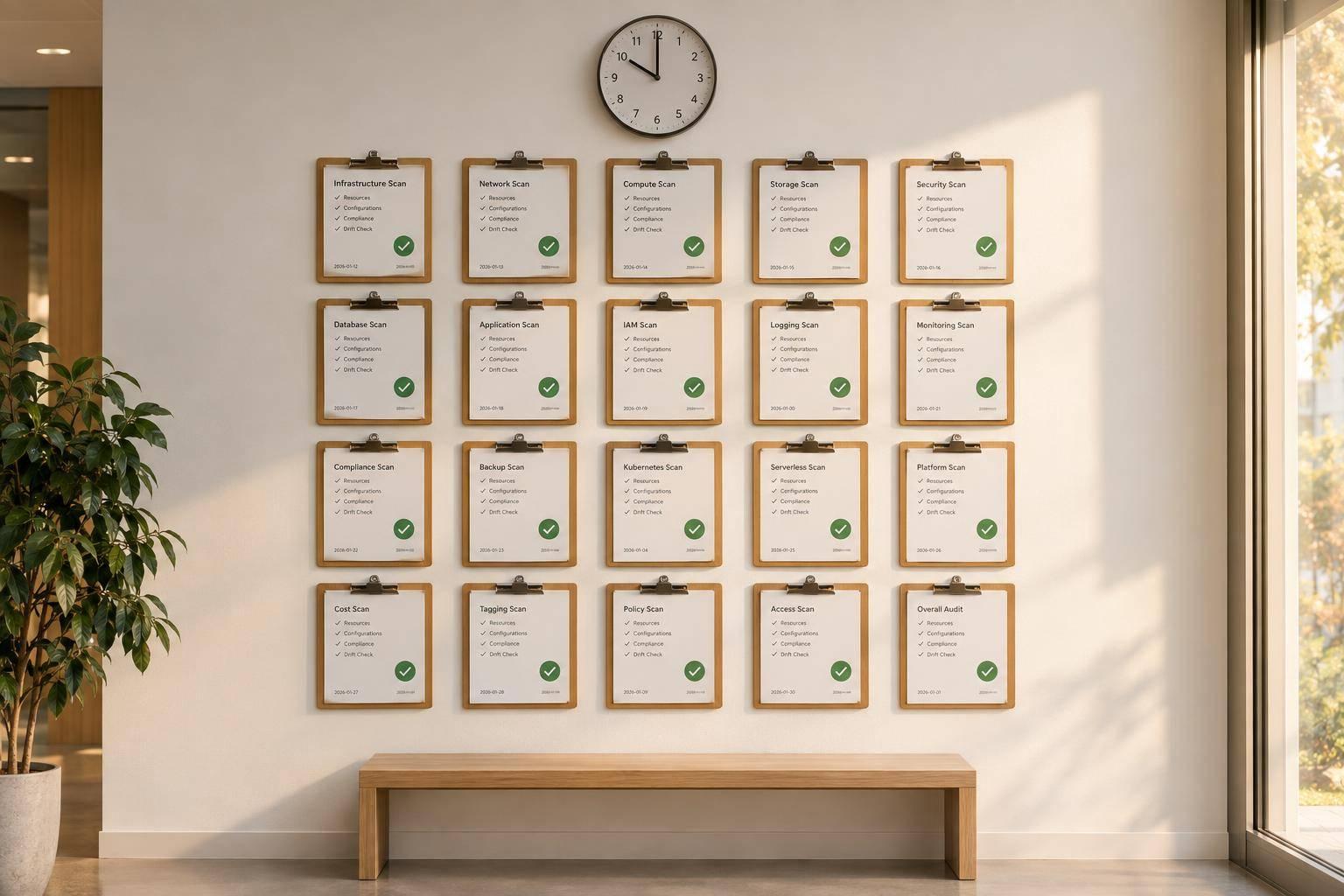
Measure IaC drift by verified fixes, not alerts: ensure estate-wide coverage, timed scans, policy approvals and audit-ready closures.
Read more
Compare five preemptible VM models for render farms to find true cost per finished frame, accounting for retries and deadline risk.
Read more