AI Vision Links Business Goals to Delivery: 5 Steps
Turn one business goal into a controlled AI pilot in five steps: define outcome, rank use cases, check readiness, assign owners and plan delivery.
Read moreBlog posts in the Data Protection category
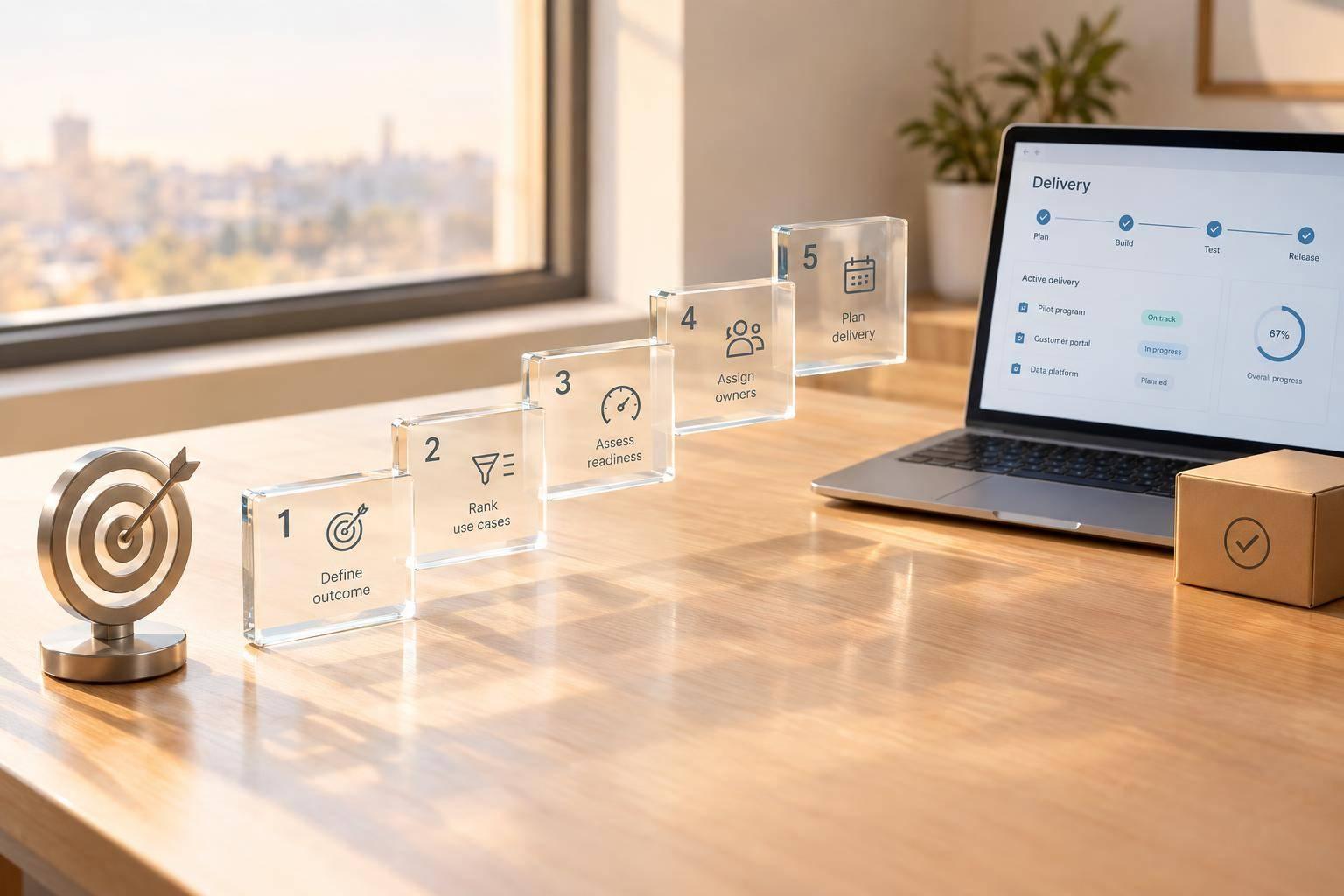
Turn one business goal into a controlled AI pilot in five steps: define outcome, rank use cases, check readiness, assign owners and plan delivery.
Read more
Compare prompt chaining and single prompts by balancing accuracy, latency, tokens, privacy and cost per successful task.
Read more
Checklist-driven guide to designing durable stateful containers: storage, replication, StatefulSets, backups, RPO/RTO and tested failover.
Read more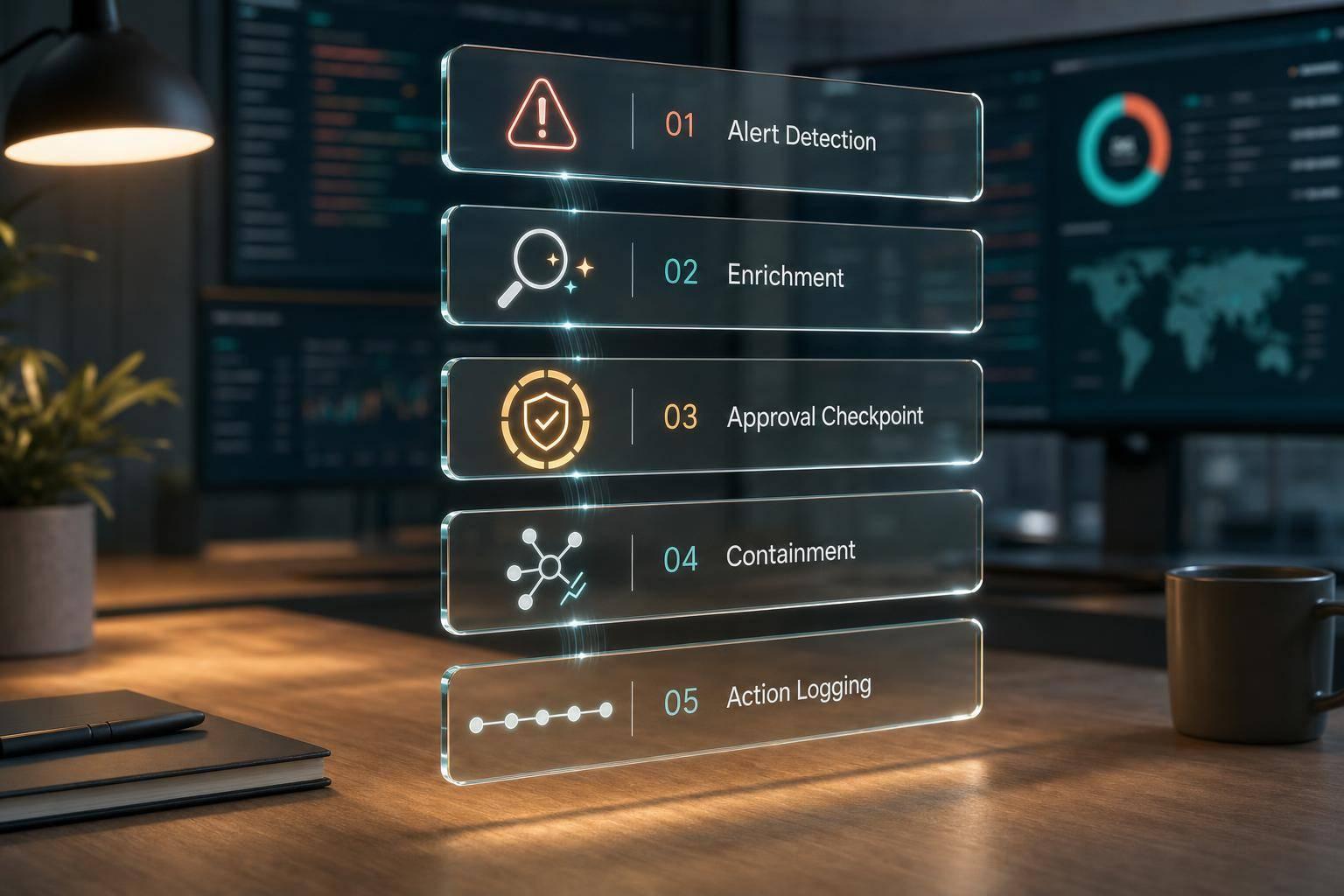
Normalise and enrich alerts, enforce approval gates for risky containment, log every action and reduce MTTR safely.
Read more
Compare seven cloud security monitoring tools by coverage, setup, alert quality, compliance and DevOps fit to pick the right tool.
Read more
Compare eight CI/CD security tools by what they scan, CI fit, data residency and governance for UK buyers.
Read more
Single policy model for AWS, Azure and Google Cloud covering ownership, classification, change control, access, retention and drift checks.
Read more
Six cross-account IAM patterns, controls and risks for AWS: CI/CD, logging, security tooling, data, break‑glass and vendor access.
Read more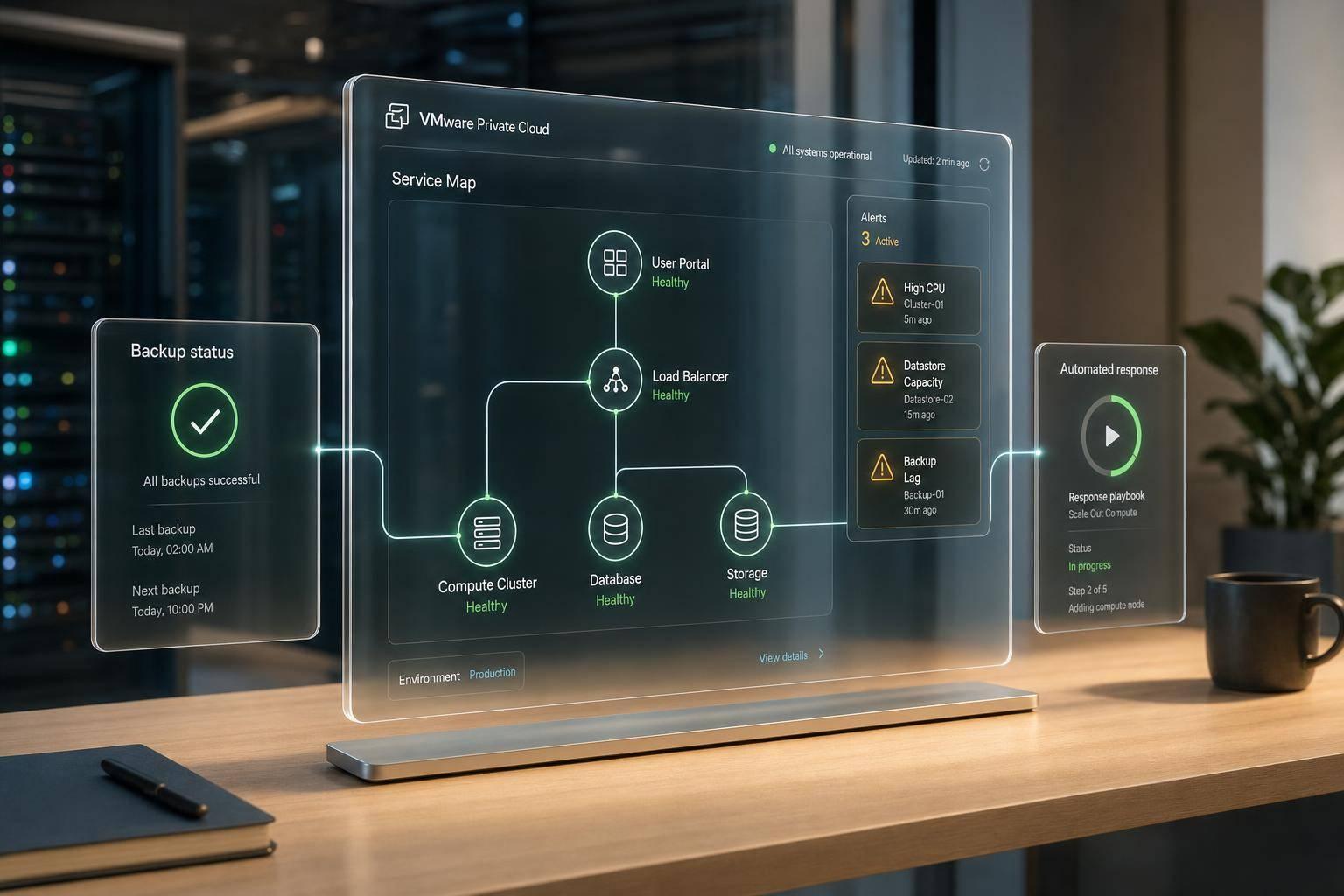
Prioritise key VMware signals, link backup job status to service maps, and automate incident response to reduce alert noise.
Read more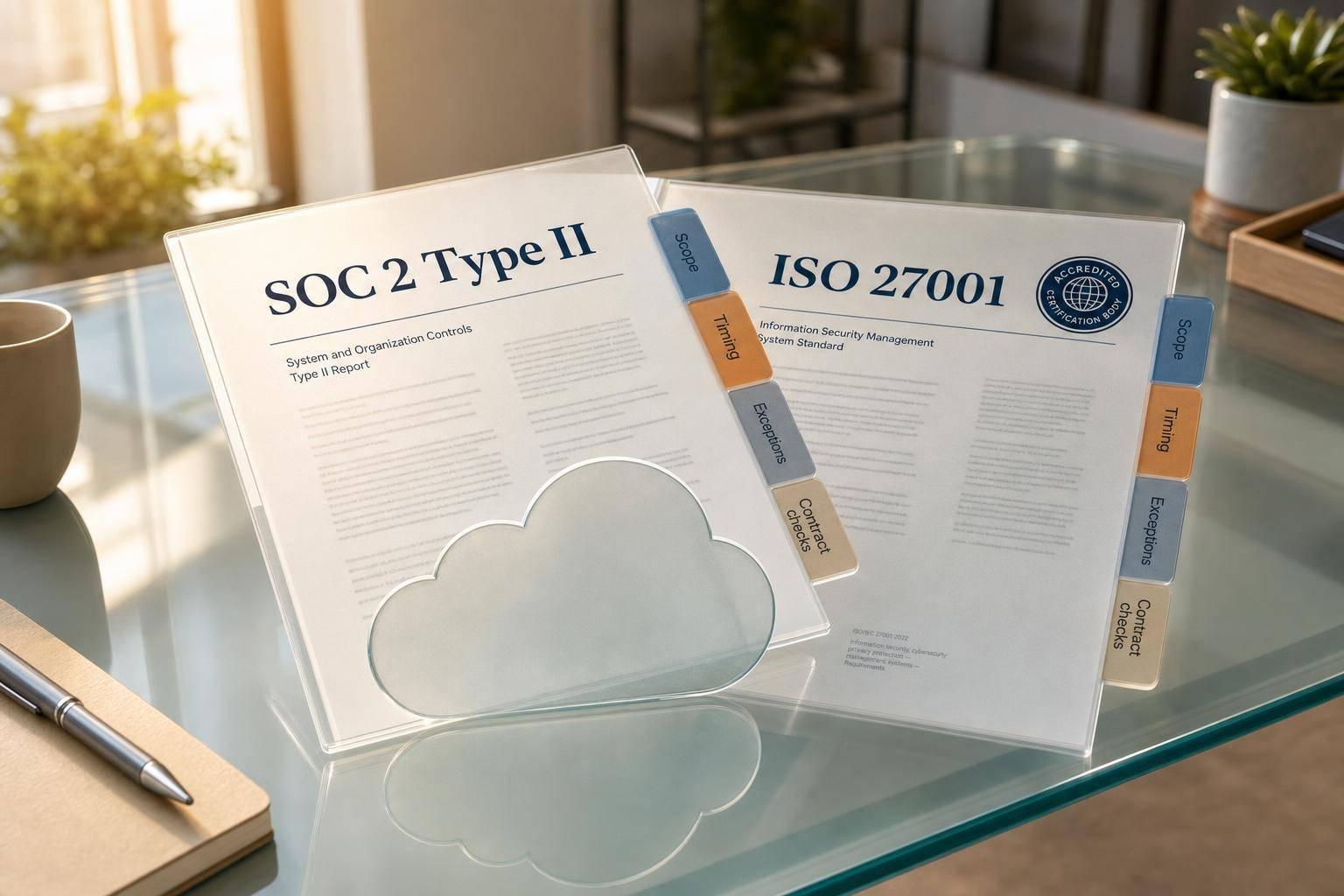
Compare SOC 2 Type II and UKAS-accredited ISO 27001 for cloud vendor deals: scope, timing, exceptions and contract checks.
Read more
Decide per-tenant or shared KMS keys, enforce tenant_id in every crypto call, separate admin/runtime, tag, rotate and monitor costs.
Read more
Assess cloud vendors: classify services, verify security and resilience, set contract rights, define control ownership and plan exit.
Read more