Data Transfer Costs: Key Metrics for Reporting
Stop hiding cloud egress—separate, normalise and report transfer routes and £ to expose avoidable network spend.
Read moreBlog posts in the Cloud Optimization category

Stop hiding cloud egress—separate, normalise and report transfer routes and £ to expose avoidable network spend.
Read more
Explains cross-region transfer, destination storage and service fees across S3, RDS, Aurora and EBS, with practical cost-saving steps.
Read more
Compare top cloud cost reporting tools for AWS, Azure and GCP — focus on allocation, multi‑cloud, Kubernetes and finance exports.
Read more
Don't buy the list price — compare CI/CD pricing models and factor hidden costs: compute, storage and engineer time.
Read more
Forecasts only matter if they change money decisions — tie one clean forecast to an owner and push it into budgets, alerts and reviews.
Read more
Small latency gaps hide bigger trade-offs; region choice, storage tier and autoscaling usually decide which cloud is best for UK apps.
Read more
Practical guide to safe Kubernetes rolling deployments: set probes, handle SIGTERM, tune maxSurge/maxUnavailable, monitor and rollback.
Read more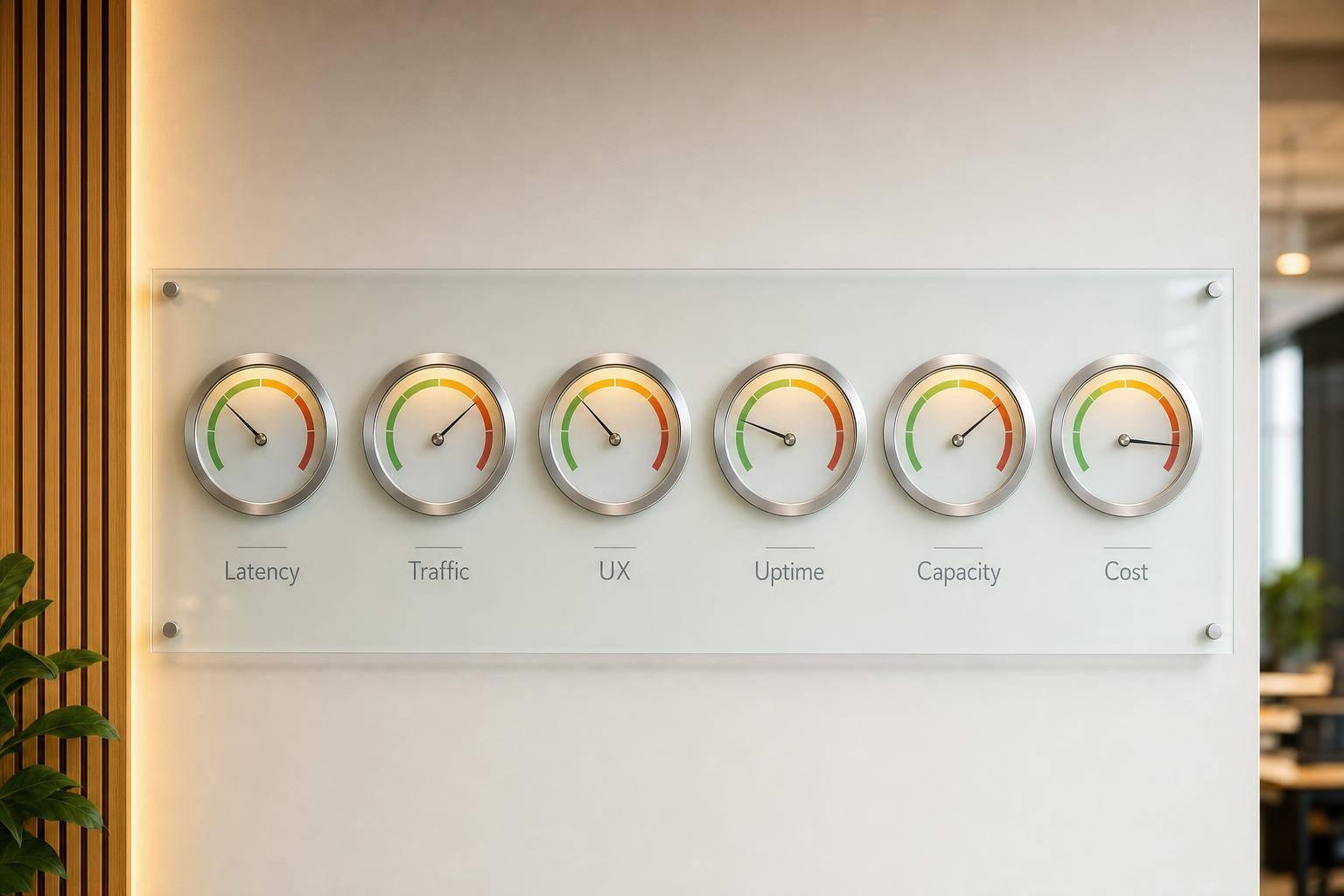
Six core metrics—latency, traffic, UX, uptime, capacity and cost—with thresholds and standard labels for consistent multi‑cloud monitoring.
Read more
Practical guidance on structuring Terraform for multi-cloud: split state, simple modules, secure identities and cost controls.
Read more
Practical steps to reduce video CDN bills: optimise cache keys and TTLs, add origin shielding, tune encoding/ABR, use multi‑CDN routing and monitor £/GB.
Read more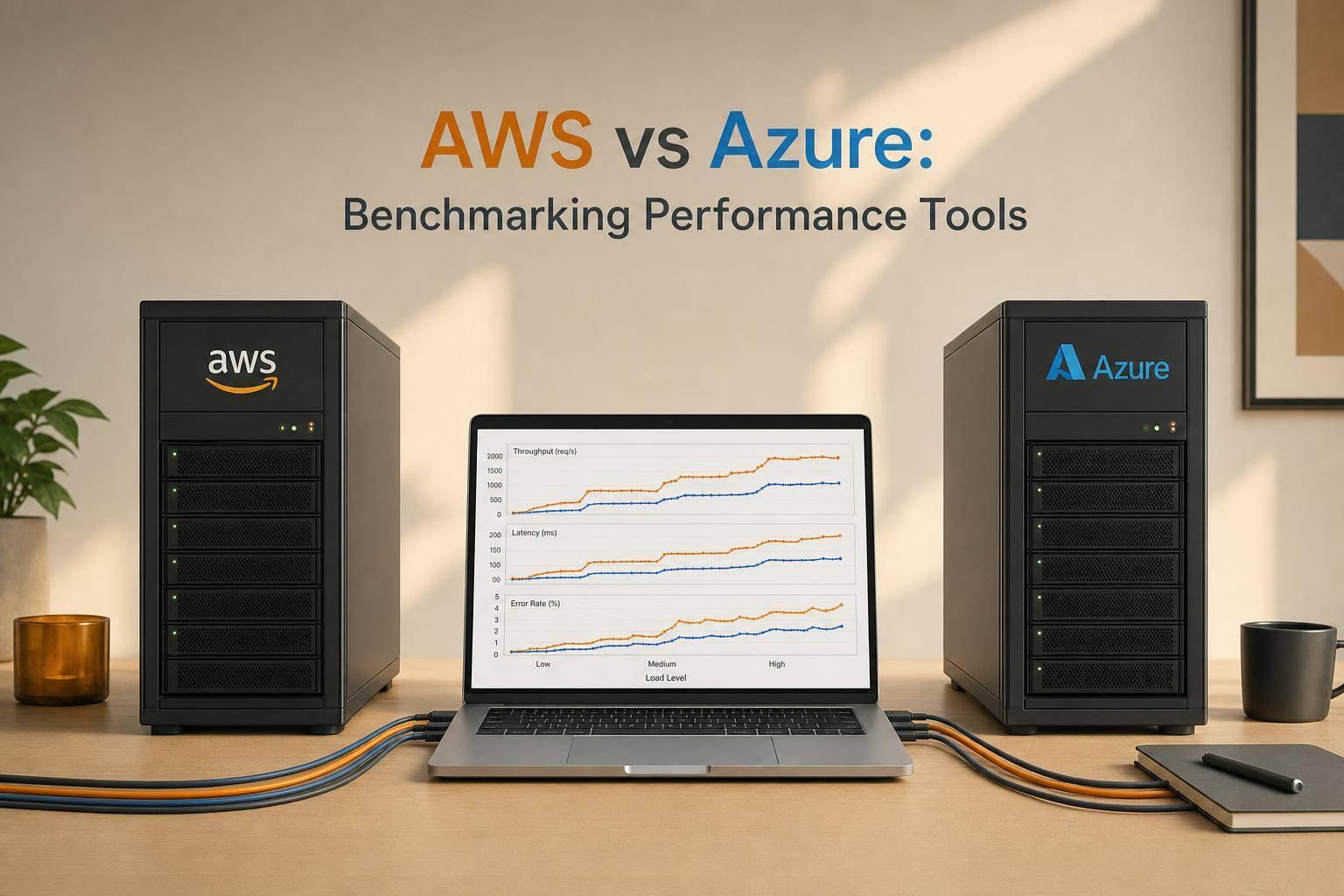
Managed testing is faster to start, but deeper control needs more setup — benchmark at multiple load levels with the same external tool.
Read more
Don’t pick the cheapest cross-cloud path unless it meets latency, throughput and reliability—egress costs and instability add up fast.
Read more