RAG Indexing: Incremental Updates vs. Full Rebuilds
Use incremental RAG updates for routine edits; rebuild for migrations or faults. Weigh corpus size, change rate, cost (£) and accuracy.
Read moreBlog posts in the Cost Management category
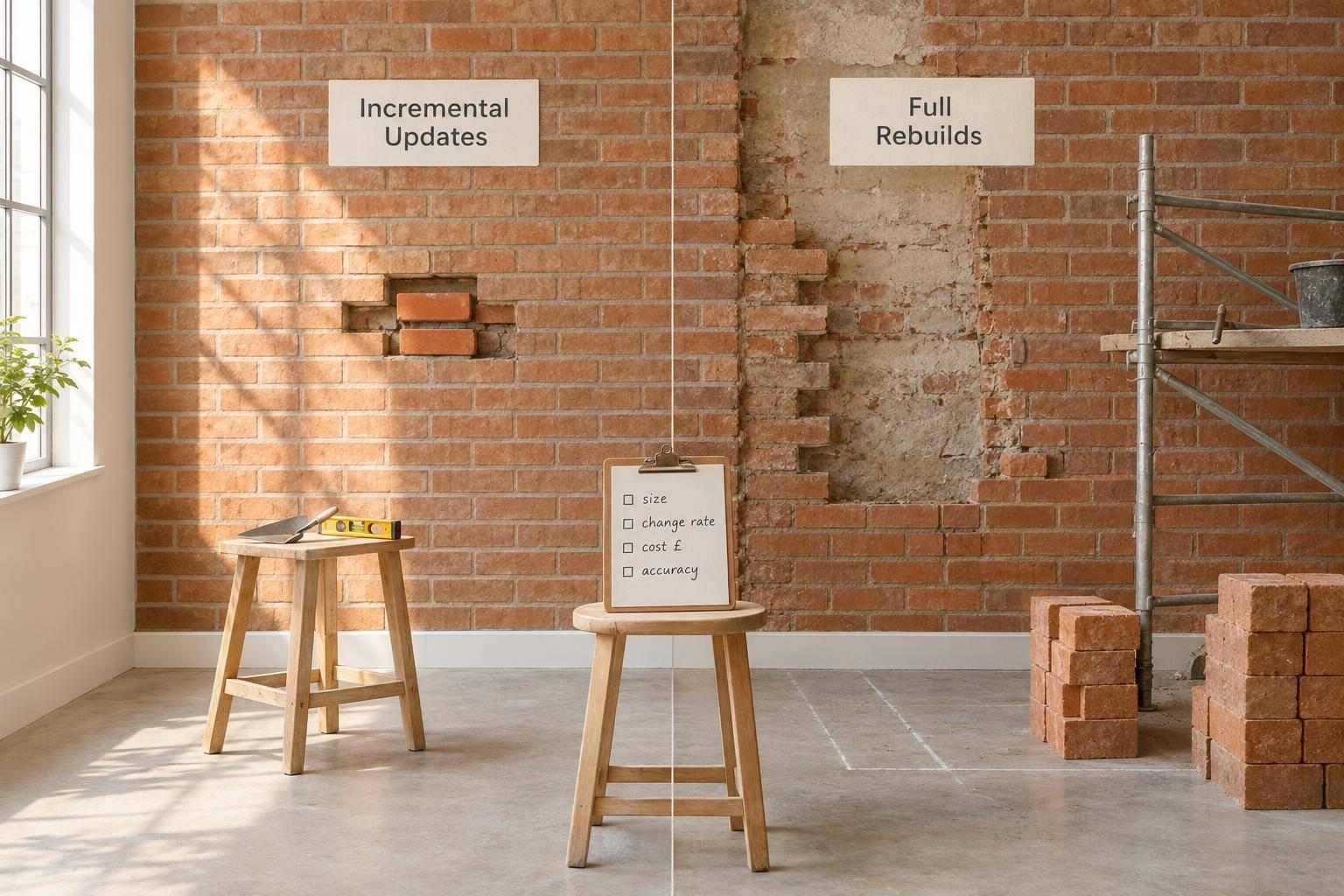
Use incremental RAG updates for routine edits; rebuild for migrations or faults. Weigh corpus size, change rate, cost (£) and accuracy.
Read more
Five controls to keep AI agent runs within token and cost limits: per-call caps, run tracking, pre-call checks, iteration caps and stop rules.
Read more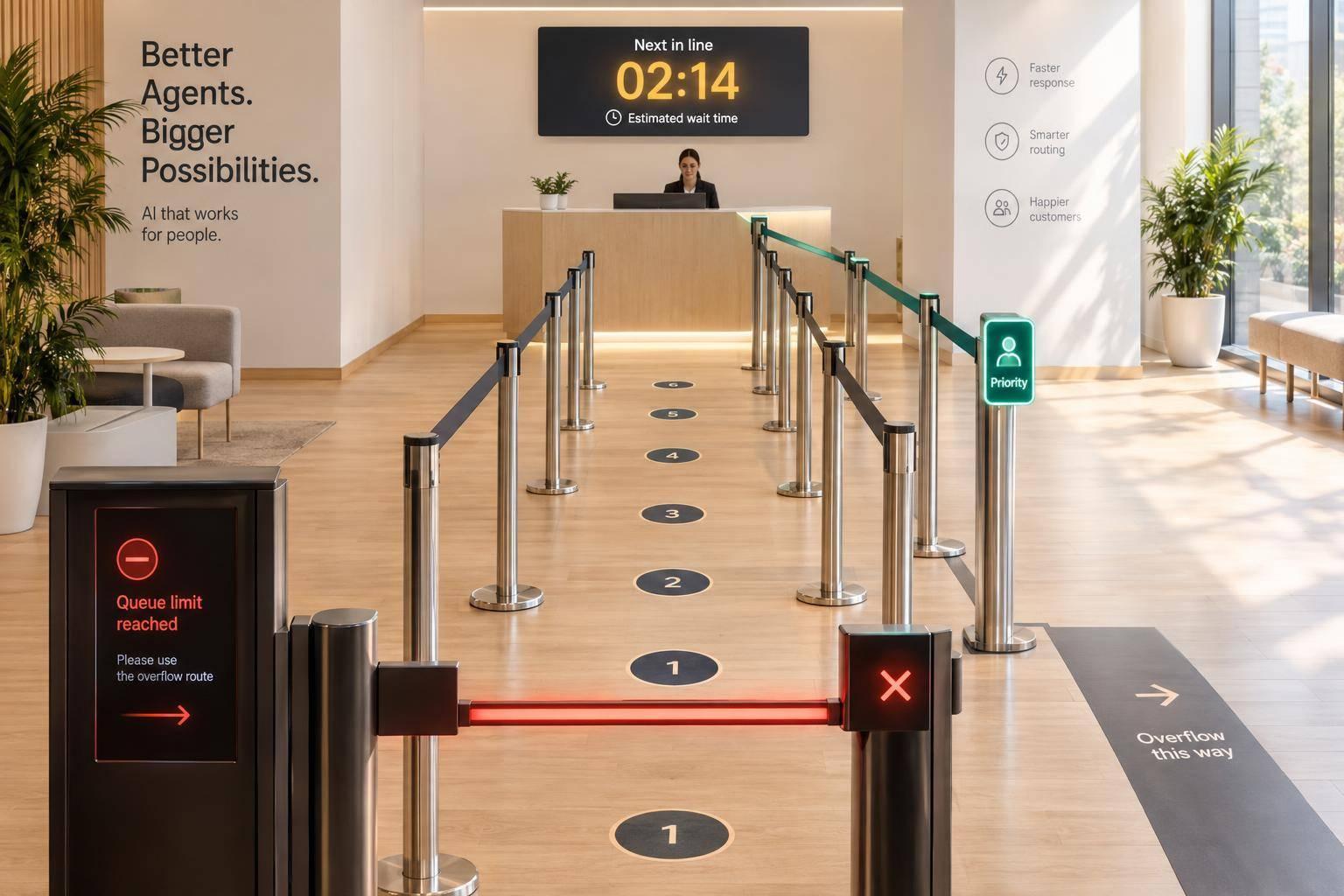
Use bounded queues, single deadlines and priority-based shedding to control AI agent load and protect latency under bursts.
Read more
Measure AI coding impact: track full costs, compute net hours saved, separate cash savings from capacity, and report monthly.
Read more
Compare parallel voting and limited debate for multi-agent decisions—use voting for fixed outputs and bounded debate for disputes.
Read more
Compare managed API and self-hosted AI costs, capacity and compliance; require a 20–30% savings buffer before migrating.
Read more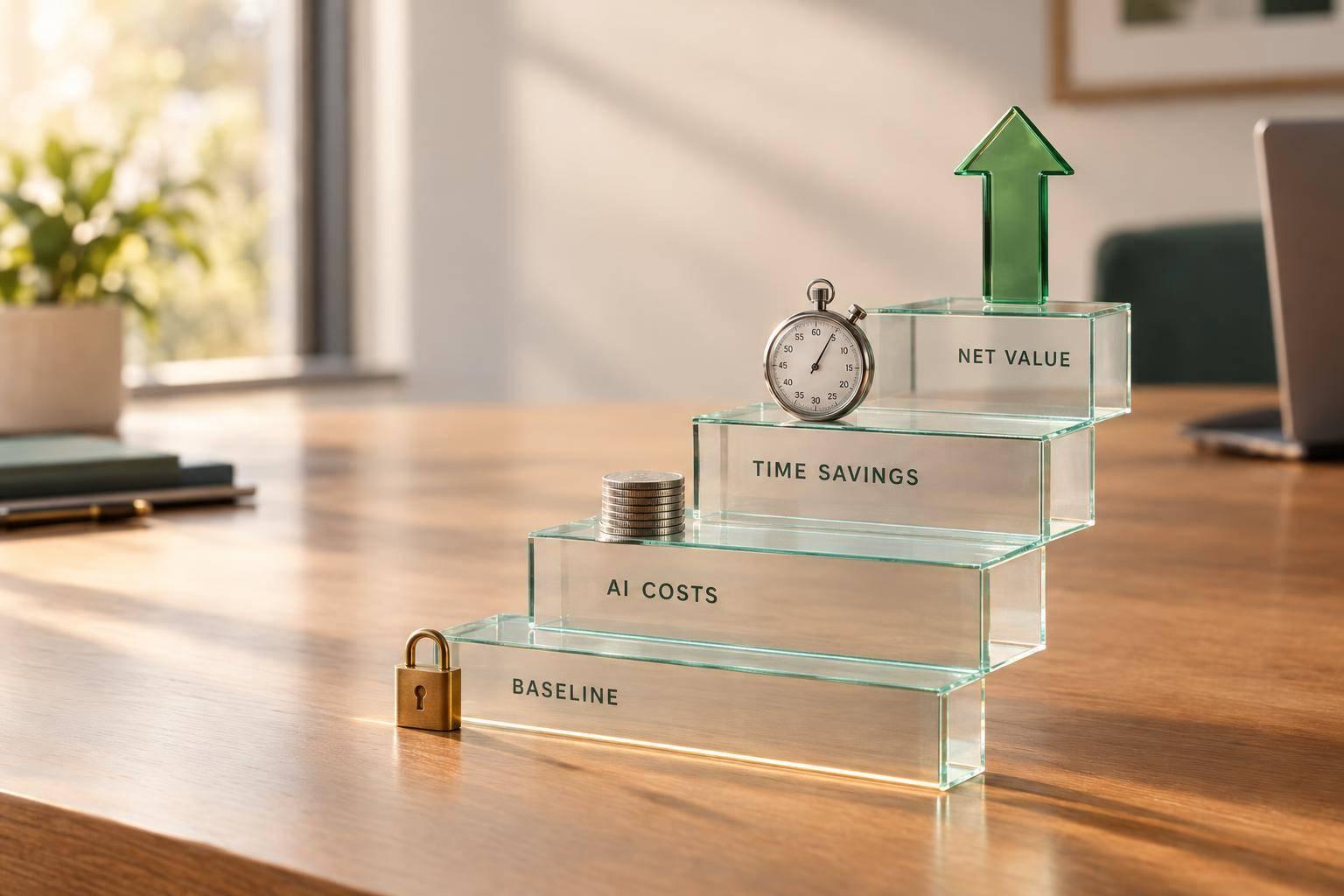
Measure AI-agent ROI by attributable cash: set a locked baseline, count full AI costs, separate time savings and model monthly payback.
Read more
Compare extractive trimming and generated summaries in RAG pipelines, balancing token cost, latency and evidence fidelity.
Read more
Track every model call, normalise tokens, convert rates to GBP, attribute costs to tasks and monitor spend.
Read more
Use iteration, token and spend caps plus atomic budget reservation to stop agent loops and control AI costs.
Read more
Compare hard caps and soft alerts for LLM budgets, with thresholds, reservations, fallbacks and enforcement guidance.
Read more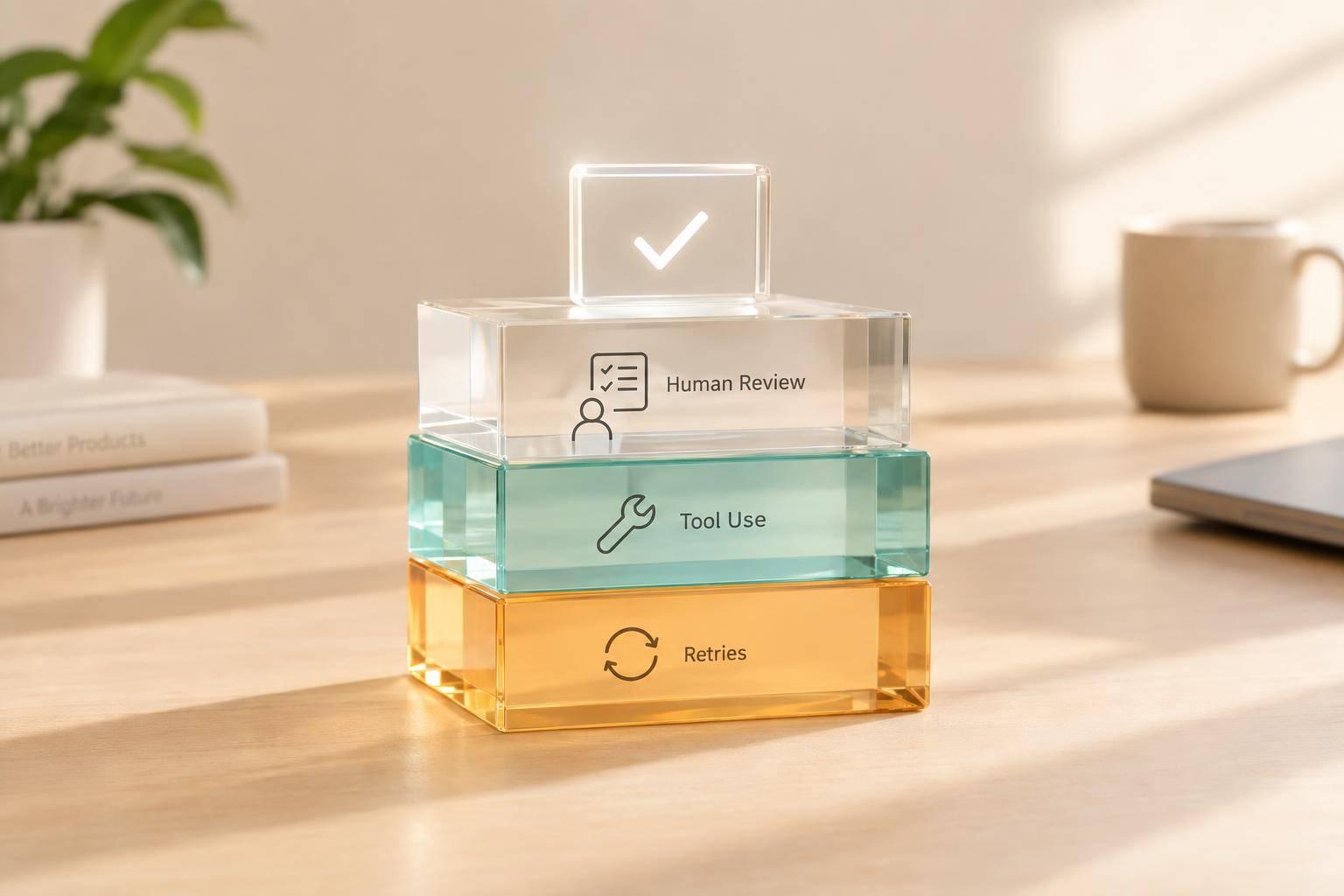
Measure AI agent cost as total delivery spend / accepted tasks — include retries, tools and human review to reveal true per-task cost.
Read more