Dynamic Resource Allocation in Kubernetes
Explore how dynamic resource allocation in Kubernetes enhances efficiency, reduces costs, and adapts to real-time application demands.
Read moreBlog posts in the Cloud Computing category

Explore how dynamic resource allocation in Kubernetes enhances efficiency, reduces costs, and adapts to real-time application demands.
Read more
Learn how OAuth secures API gateways through token management, access control, and best practices for robust authentication and authorisation.
Read more
Explore the challenges and solutions of deploying a multi-cloud service mesh, focusing on security, monitoring, and cost efficiency.
Read more
Learn how to build an efficient bare-metal provisioning framework that enhances performance, security, and automation in private cloud environments.
Read more
Explore the performance and security of cloud encryption protocols, comparing AES-256, ECC, RSA, and ChaCha20 for optimal data protection.
Read more
Cloud vendor contracts can hide risks like unclear terms, hidden fees, and weak security clauses that lead to financial strain and service disruptions.
Read more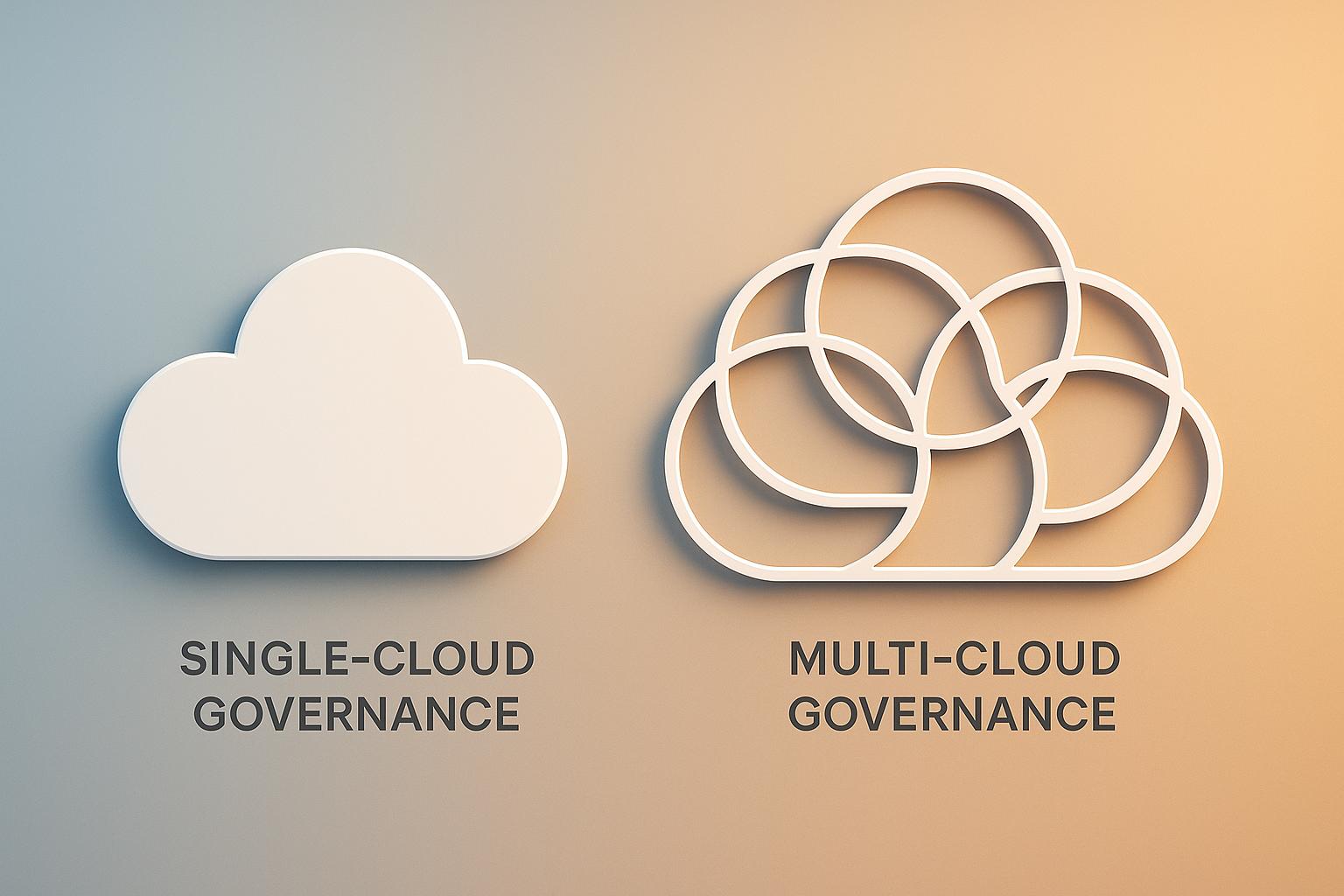
Explore the differences between single-cloud and multi-cloud governance, weighing simplicity against flexibility and resilience for your organisation's needs.
Read more
Explore the differences in spot instance pricing across cloud providers, including cost savings, volatility, and best use cases for UK businesses.
Read more
Explore the top tools for hybrid cloud network segmentation, focusing on compliance, automation, and security in distributed IT environments.
Read more
Dynamic GPU Resource Allocation in Kubernetes enhances efficiency and reduces costs for AI workloads, transforming resource management in cloud environments.
Read more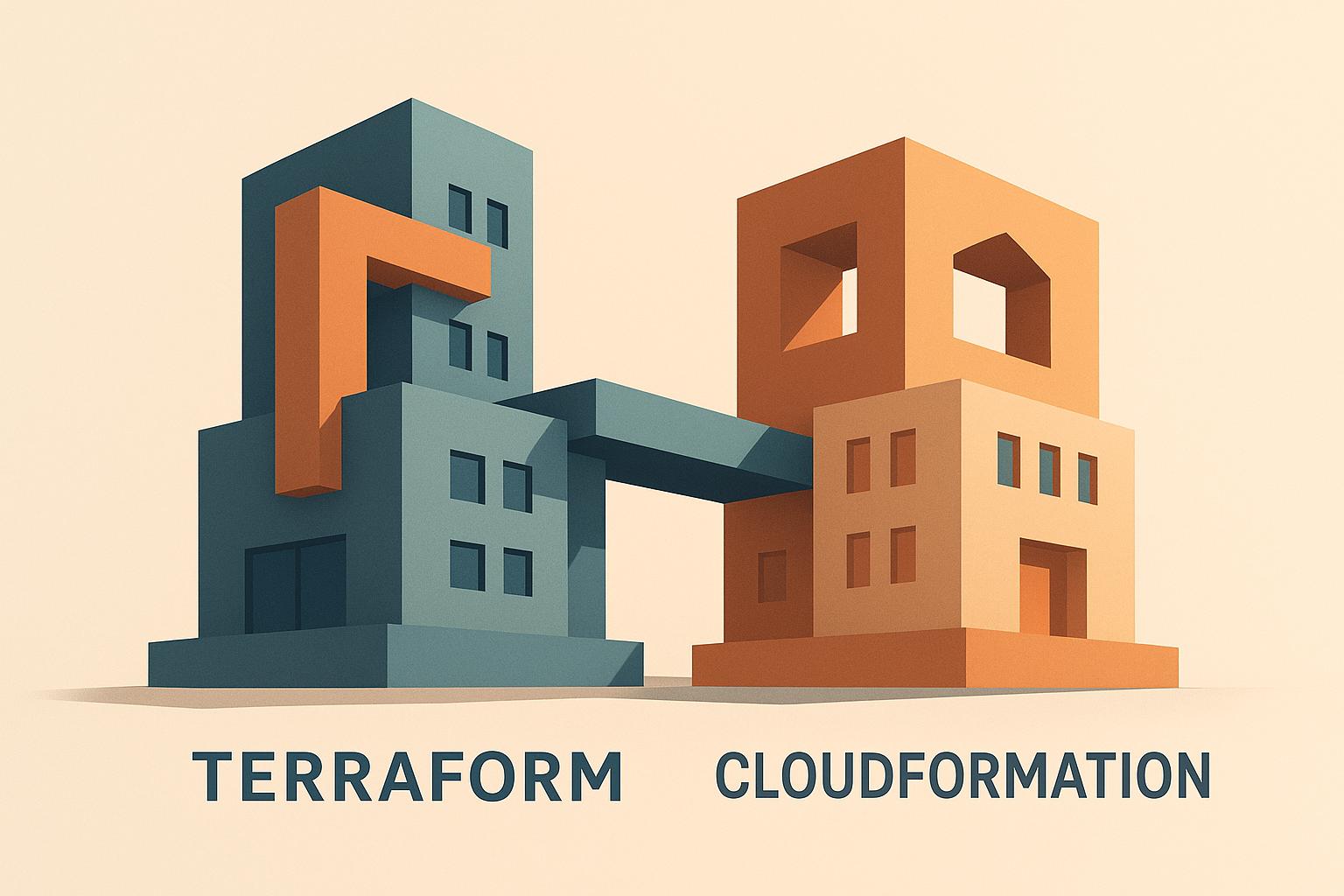
Explore the cost and efficiency differences between Terraform and CloudFormation to determine the best Infrastructure as Code tool for your cloud strategy.
Read more
Implementing a robust GitOps security checklist ensures secure Kubernetes CI/CD workflows, protecting against vulnerabilities and compliance risks.
Read more