How PCI DSS Impacts Managed Hosting Disaster Recovery
How PCI DSS v4.0.1 affects managed hosting DR: key requirements for backups, logging, key management, testing and compliant recovery architectures.
Read moreBlog posts in the Disaster Recovery category
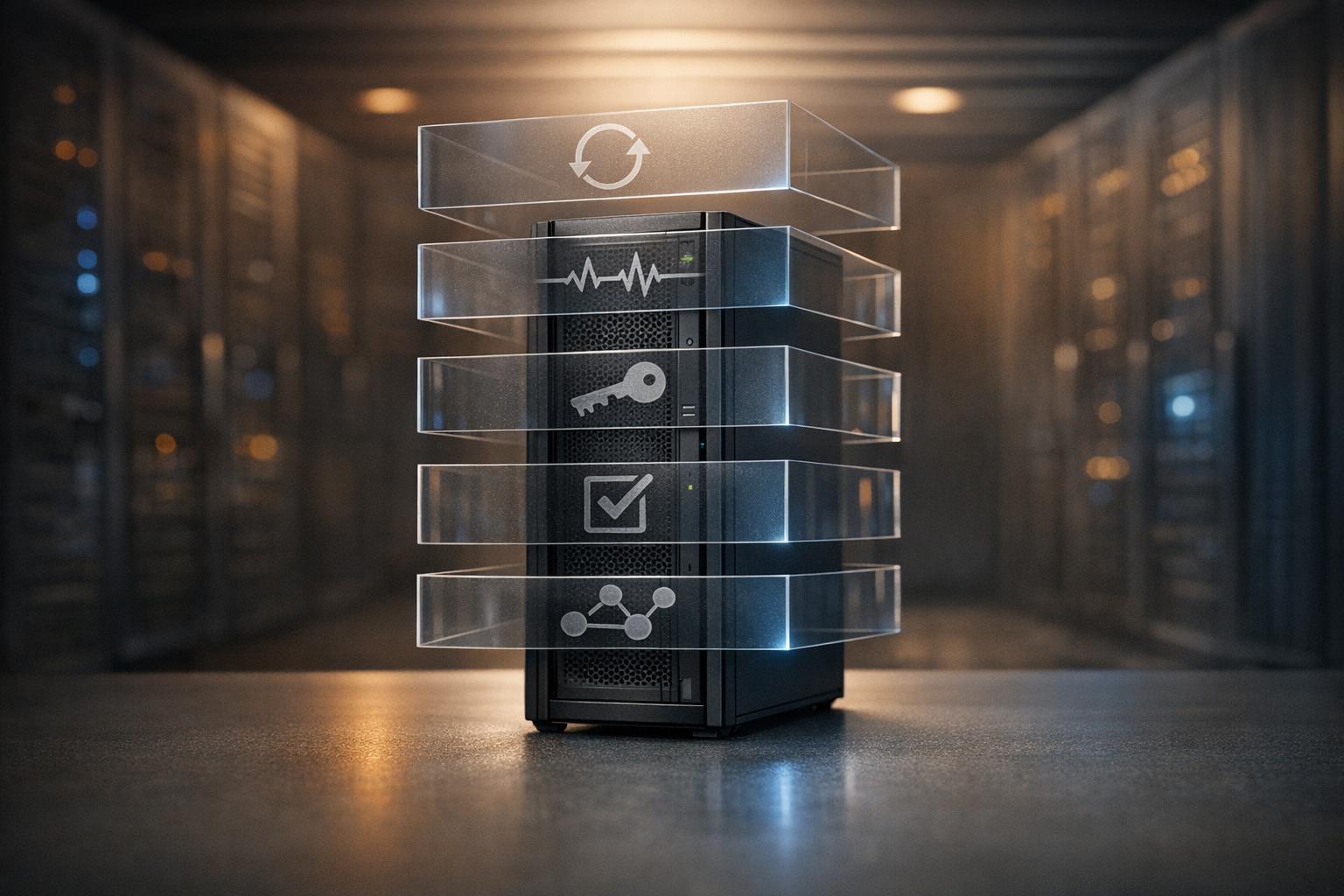
How PCI DSS v4.0.1 affects managed hosting DR: key requirements for backups, logging, key management, testing and compliant recovery architectures.
Read more
Compression vs deduplication for hybrid cloud transfers: practical use cases, CPU vs bandwidth trade-offs, and why dedupe-first then lossless compression delivers greatest savings.
Read more
Guide to reverting Kubernetes deployments: ReplicaSets, kubectl rollout commands, blue-green and canary strategies, RBAC and audit logging for safe rollbacks.
Read more
How multi-cluster Kubernetes reduces downtime, boosts scalability and cuts cloud costs with ArgoCD, Terraform, Cloudflare and automated monitoring.
Read more
Step-by-step guide to hybrid cloud disaster recovery: assess critical systems, pick an architecture, secure backups, automate failover and test recovery.
Read more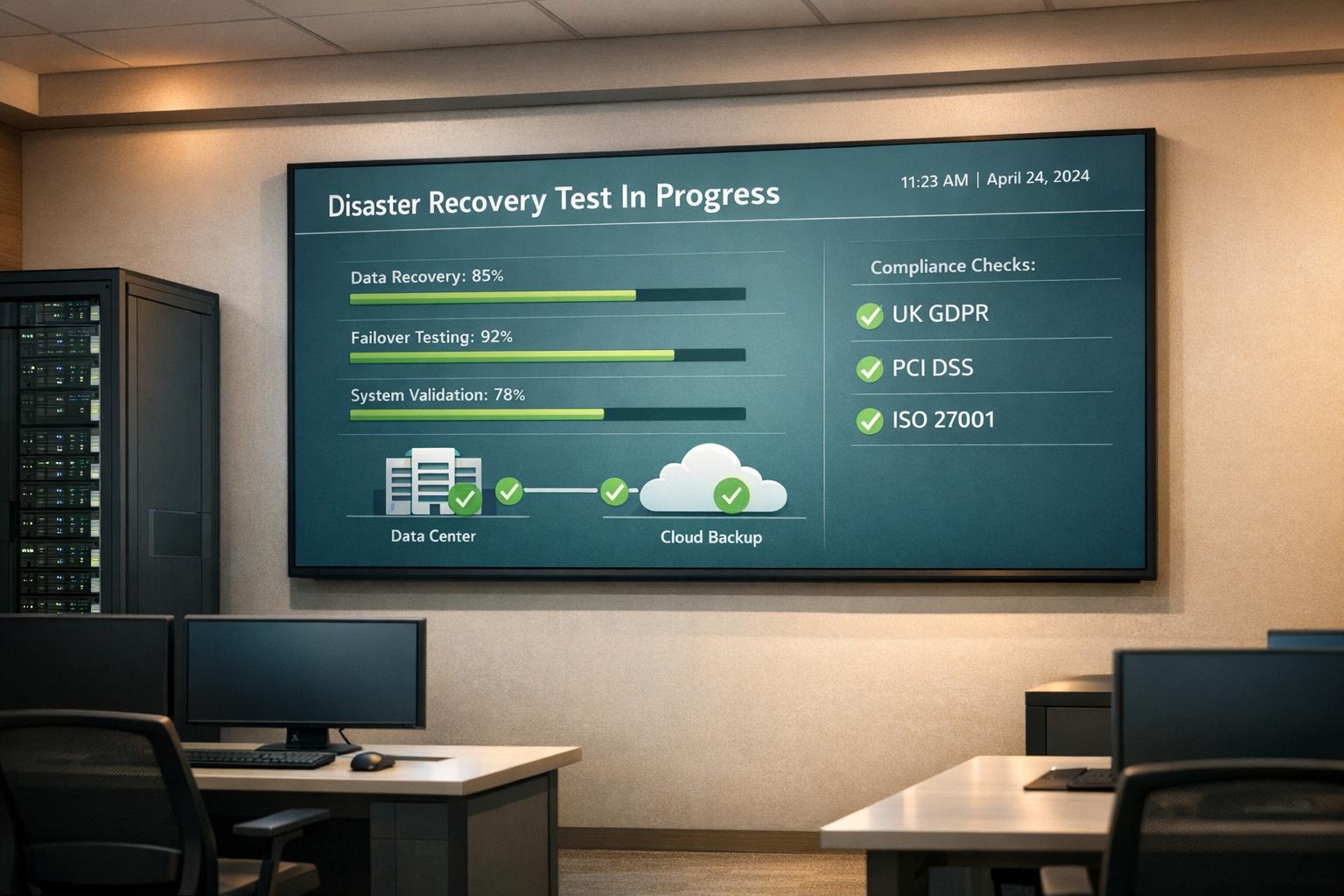
Regular hybrid cloud DR testing proves recoverability, enforces UK GDPR/PCI/ISO compliance, and exposes configuration gaps before they cause outages.
Read more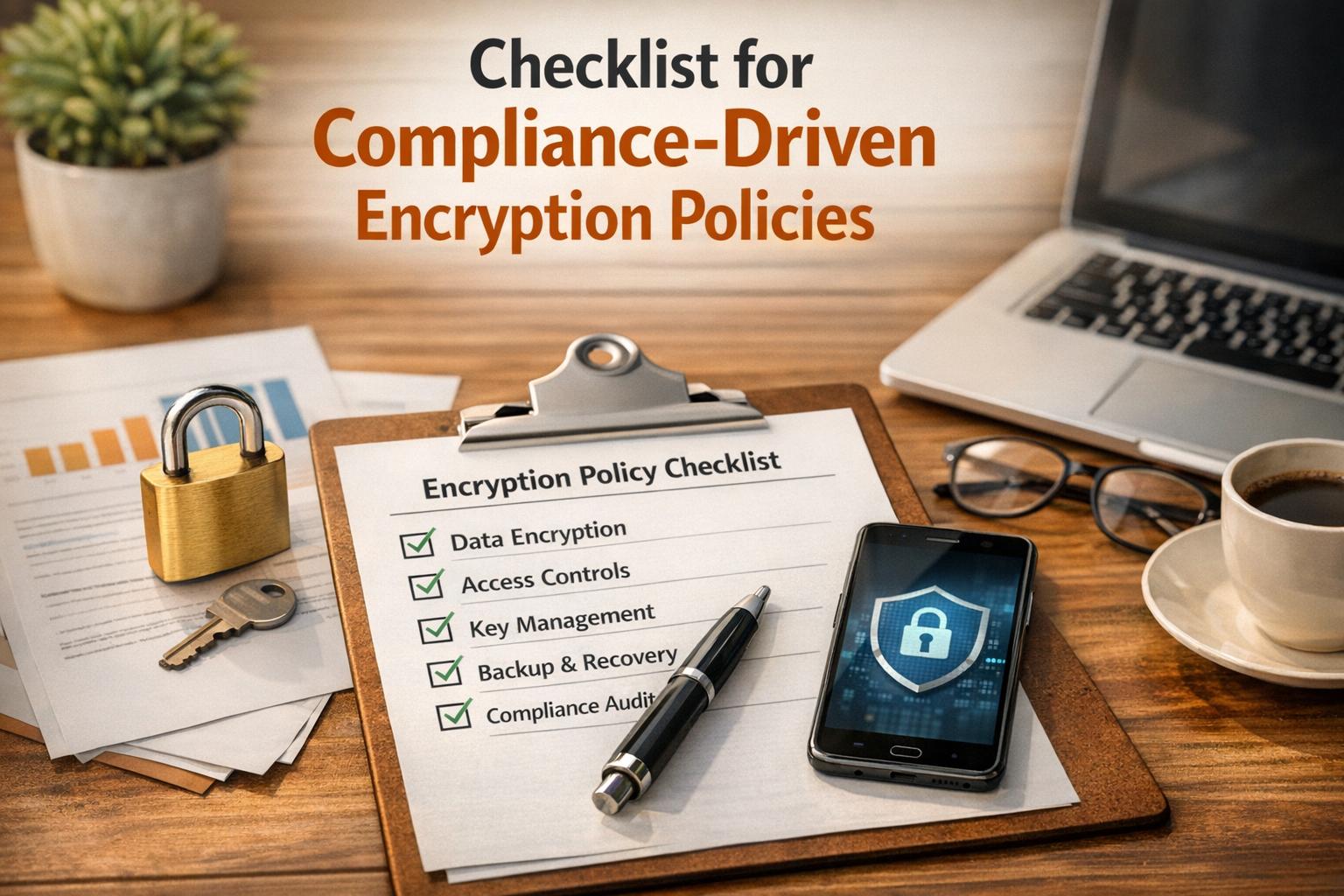
Checklist to build encryption policies for UK GDPR: AES-256, TLS 1.3, key management, retention, secure deletion, audits and access control.
Read more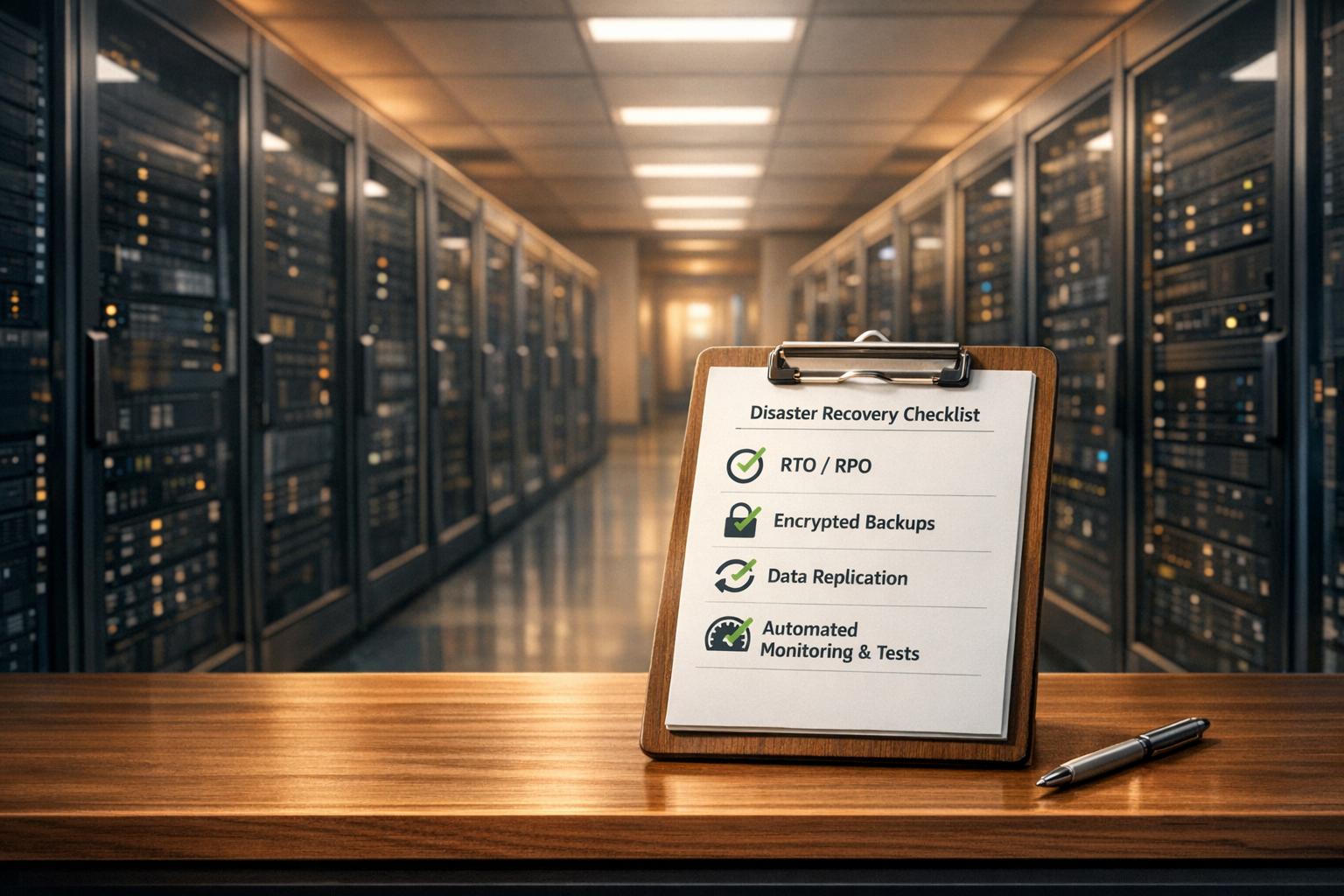
Checklist for building a SOX-compliant disaster recovery plan: set RTO/RPO, encrypt and replicate backups, automate monitoring and run regular tests.
Read more
Compare cloud uptime, recovery times, outage causes and cost trade-offs — why SLA credits rarely cover losses and multi-region architectures are essential.
Read more
Practical guidance for hybrid cloud database DR: choose Pilot Light, Warm Standby or Active‑Active, set RTO/RPO, automate testing and meet UK GDPR.
Read more
Public vs private hosting for disaster recovery: compare costs, RTO/RPO trade-offs, scalability and hidden fees to pick the right DR model.
Read more
Simulate controlled failures to uncover weak points, validate failovers and improve monitoring so cloud systems recover quickly and reliably.
Read more