How RBAC Improves Cloud Cost Management
Align access with cost ownership, protect tags and budgets, enforce separation of duties and run regular audits to reduce cloud waste.
Read more
Align access with cost ownership, protect tags and budgets, enforce separation of duties and run regular audits to reduce cloud waste.
Read more
Automate safe cloud deployments with Pulumi and GitHub Actions: preview PRs, protect production, use OIDC, rollbacks and cost controls.
Read more
AI-driven schedulers can cut hybrid cloud cost, latency and energy; pilot them with guardrails to manage drift, overhead and compliance risk.
Read more
Tune serverless memory and timeouts from production metrics; test 2-3 tiers to minimise cost per invocation while meeting p95/p99 latency.
Read more
Use SAML for browser-based enterprise SSO and OIDC for modern web, mobile, SPA and API-driven apps; choose by app type and operational cost.
Read more
If one fault can stop traffic, it's a design issue—align hybrid cloud topology to RTO/RPO with dual paths, auto failover and matched security.
Read more
Stop hiding cloud egress—separate, normalise and report transfer routes and £ to expose avoidable network spend.
Read more
Explains cross-region transfer, destination storage and service fees across S3, RDS, Aurora and EBS, with practical cost-saving steps.
Read more
Compare top cloud cost reporting tools for AWS, Azure and GCP — focus on allocation, multi‑cloud, Kubernetes and finance exports.
Read more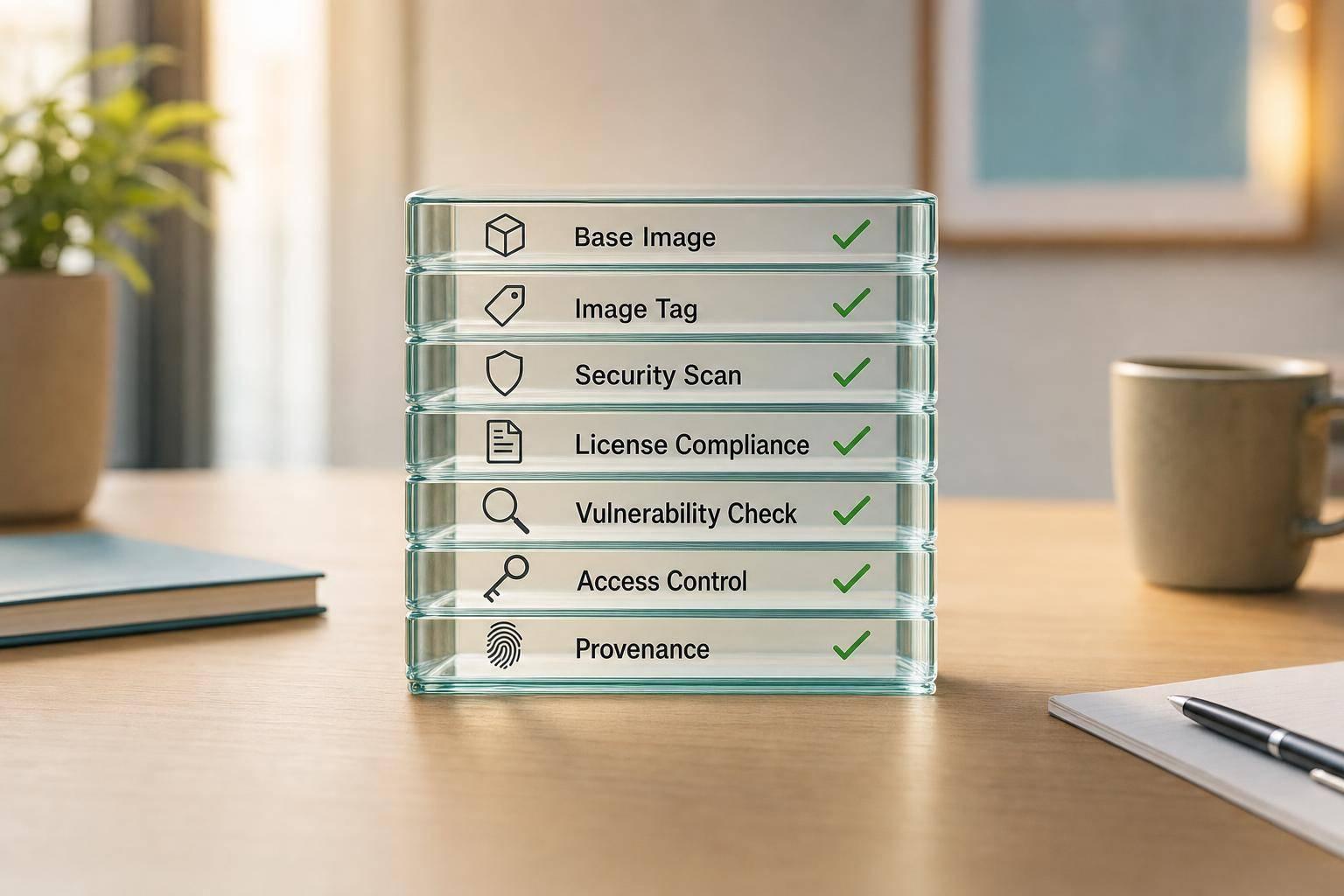
Enforce approved base images, version pinning, signing, SBOMs, non-root runtime, secret/CVE scans and digest-based deployments.
Read more
Don't buy the list price — compare CI/CD pricing models and factor hidden costs: compute, storage and engineer time.
Read more
Forecasts only matter if they change money decisions — tie one clean forecast to an owner and push it into budgets, alerts and reviews.
Read more