Kubernetes Autoscaling: Zero Downtime Best Practices
Master Kubernetes autoscaling with best practices to ensure zero downtime, optimise resource allocation, and reduce costs effectively.
Read moreBlog posts in the Automation category
Master Kubernetes autoscaling with best practices to ensure zero downtime, optimise resource allocation, and reduce costs effectively.
Read more
Automating SSL/TLS certificate management enhances security, reduces human error, and streamlines operations in modern DevOps environments.
Read more
Explore how feedback loops enhance continuous delivery by enabling early issue detection, fostering collaboration, and driving continuous improvement.
Read more
Learn how to implement canary releases for zero downtime deployments, ensuring smooth updates and minimal risk for your users.
Read more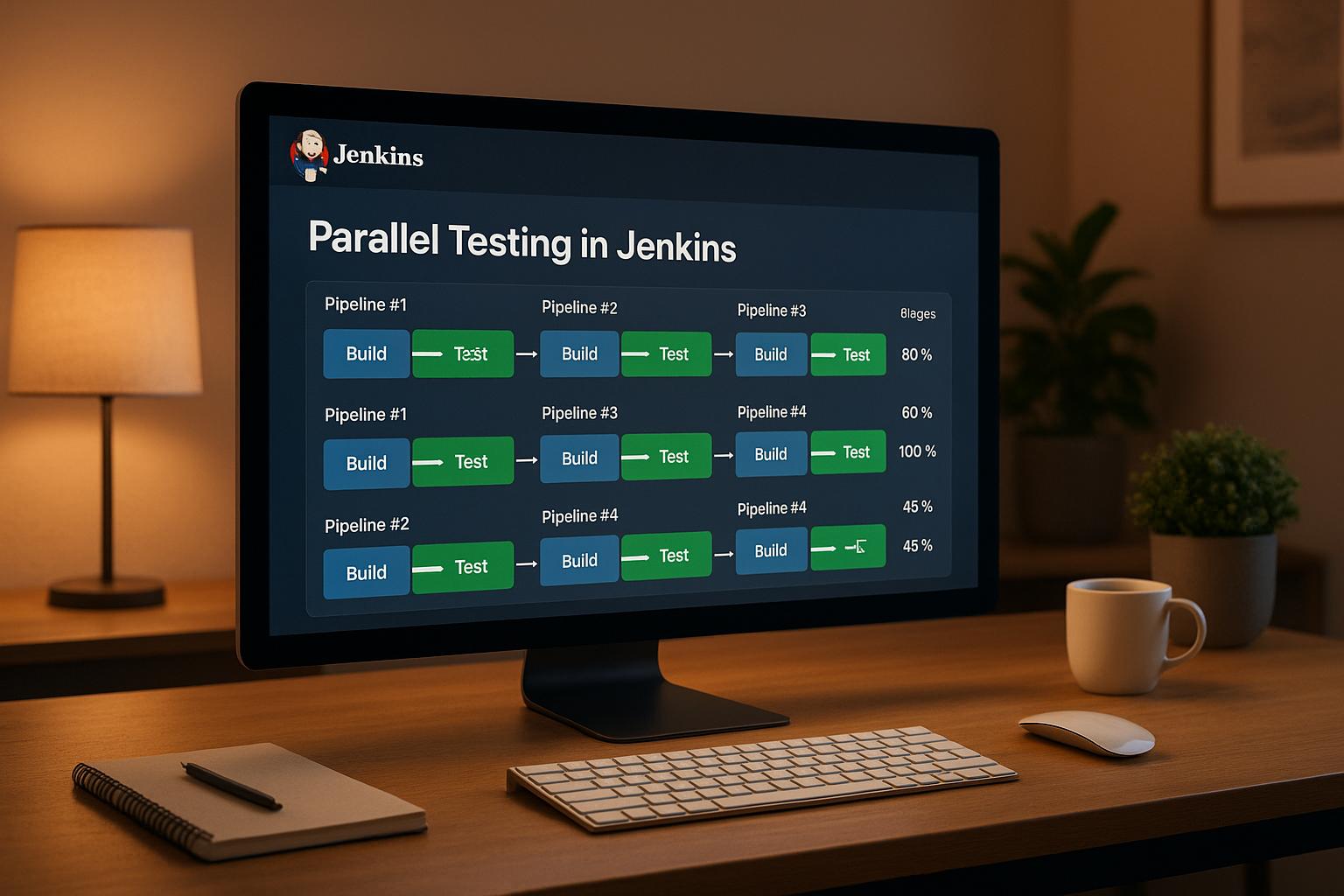
Learn how to set up parallel testing in Jenkins to enhance CI/CD efficiency, reduce build times, and optimise resource usage.
Read more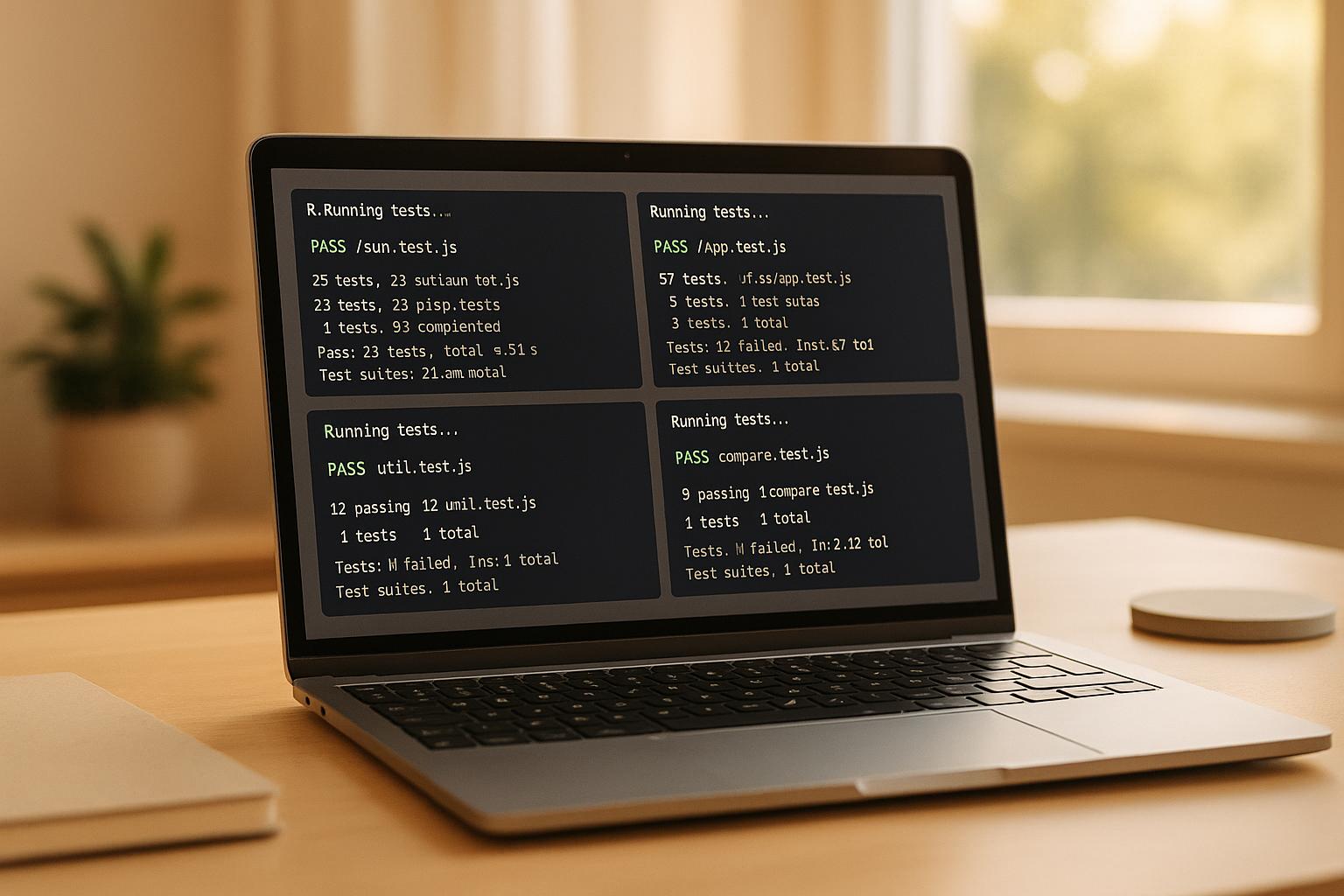
Learn how parallel testing can streamline CI/CD pipelines, reduce bottlenecks, and enhance software delivery efficiency.
Read more
Explore how AI transforms private cloud security with real-time monitoring, automated fixes, and smarter access management to protect sensitive data.
Read more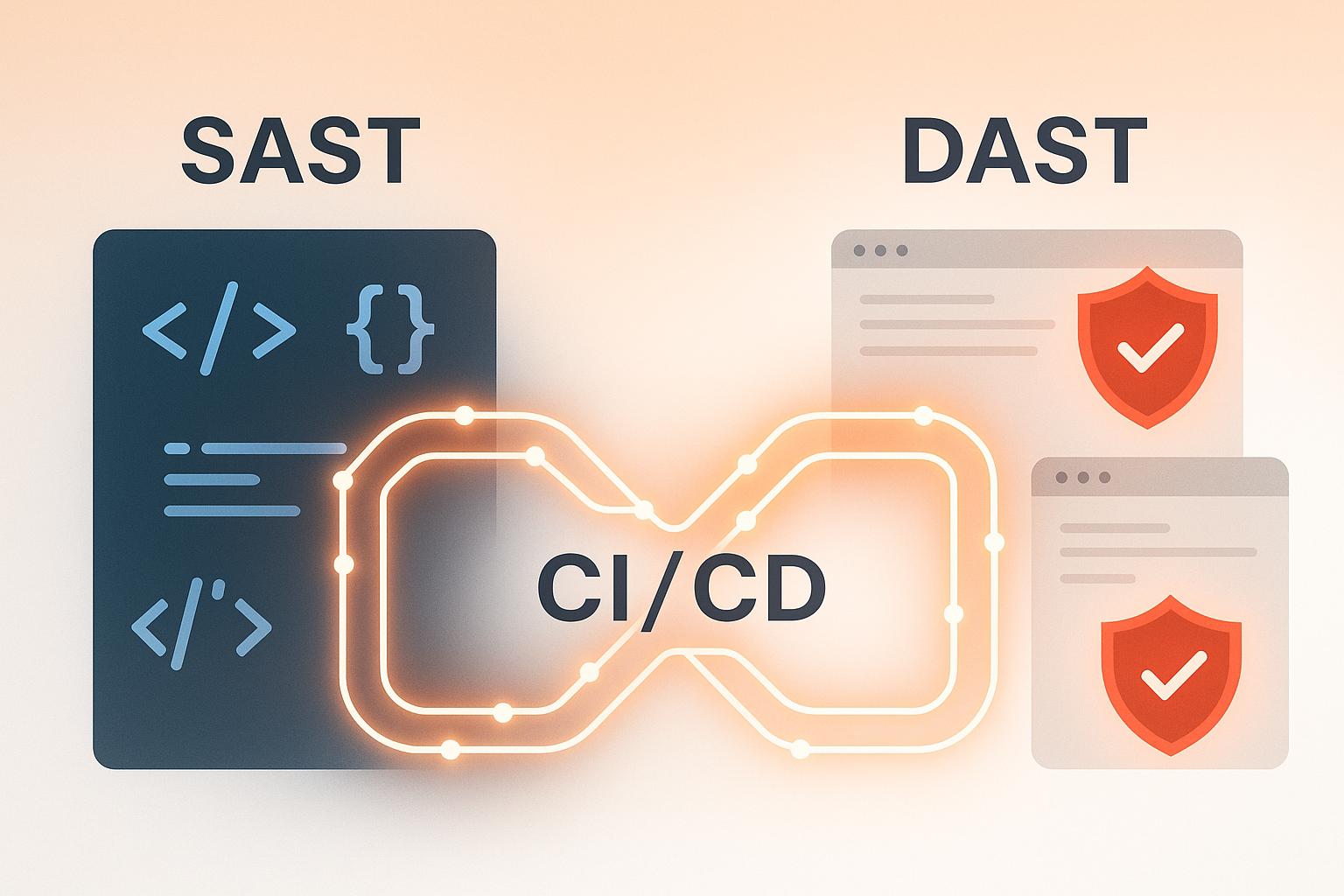
Explore the crucial differences between SAST and DAST in CI/CD pipelines and learn how to effectively integrate them for enhanced application security.
Read more
Explore how hybrid cloud chargeback automation enhances cost management through accurate usage tracking and streamlined financial integration.
Read more
Learn how to effectively monitor and manage privileged access in multi-cloud environments to enhance security and comply with regulations.
Read more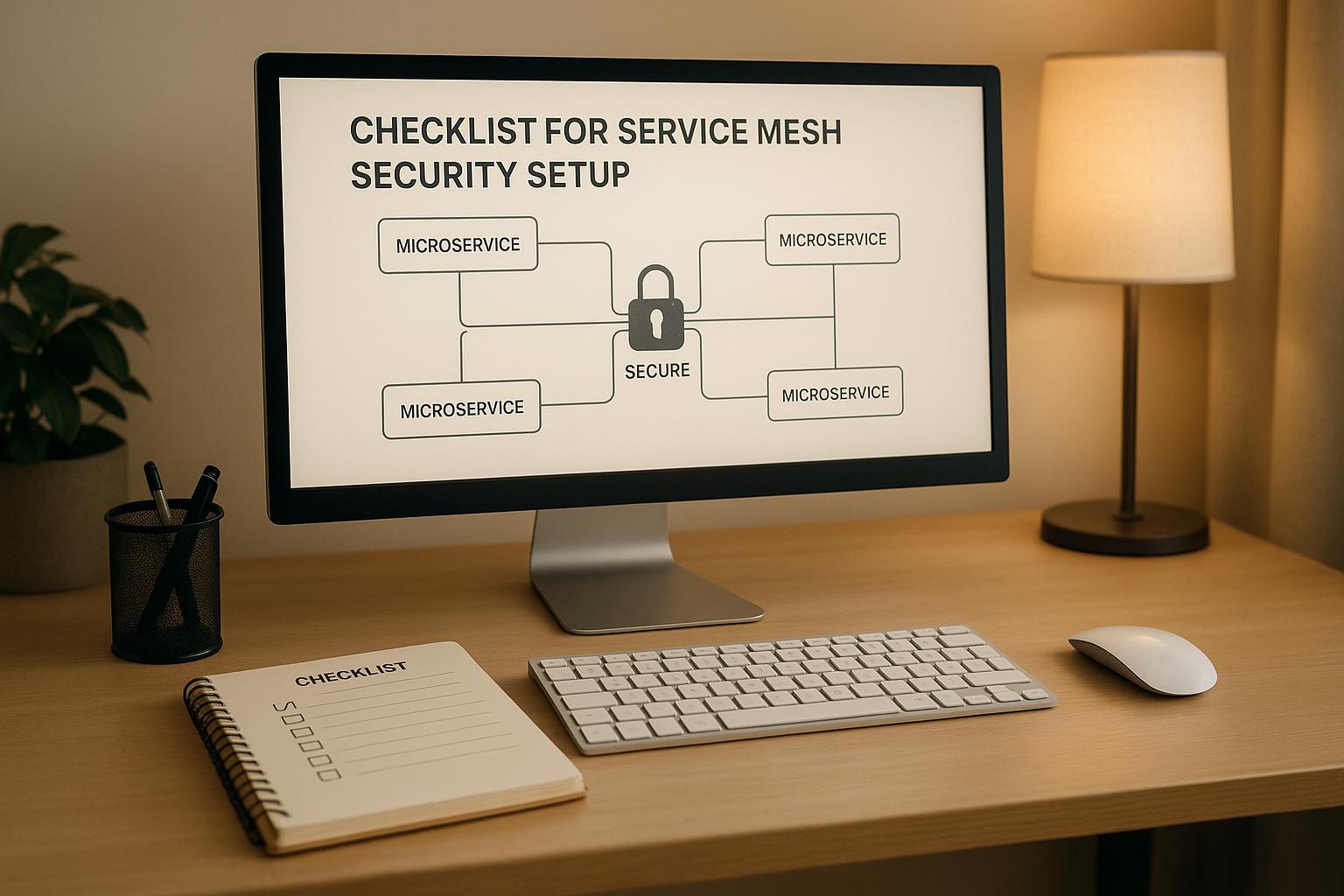
Learn how to secure your service mesh effectively, ensuring compliance with UK regulations and protecting your microservices architecture.
Read more
Learn how to balance spot and on-demand instances in Kubernetes for cost savings and reliable performance in cloud infrastructure.
Read more