AWS Support Plans Explained: Which One Fits?
Compare AWS Basic, Business, Enterprise and Unified Operations support — features, response times and pricing to pick the right plan for your workloads.
Read moreBlog posts in the Cloud Optimization category

Compare AWS Basic, Business, Enterprise and Unified Operations support — features, response times and pricing to pick the right plan for your workloads.
Read more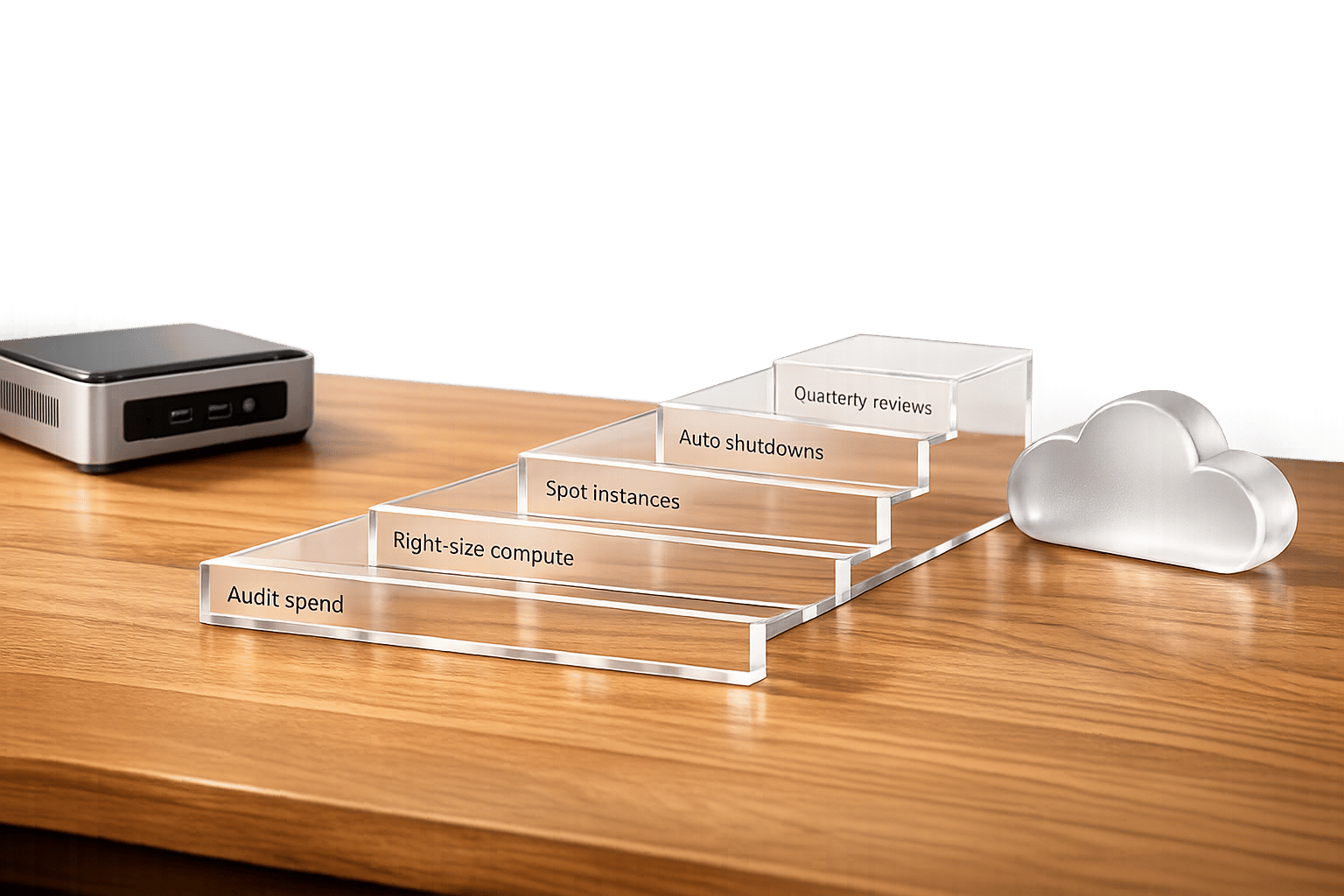
Practical steps to reduce hybrid CI/CD costs: audit spend, right‑size compute, use spot instances, automate shutdowns and run quarterly reviews.
Read more
Track cache hit ratio, TTFB and regional performance with edge logs, RUM and synthetic tests to detect issues, optimise delivery and cut CDN costs.
Read more
Compare five traffic‑shaping solutions for progressive delivery, covering routing, canary/blue‑green strategies, observability and resource trade-offs.
Read more
Effective cloud audit logging—centralise, secure and automate logs to meet UK compliance, speed threat detection and preserve tamper-proof evidence.
Read more
Compare AWS, Azure, GCP, OCI and DigitalOcean latency, network design and optimisation tips focused on UK performance for low‑latency workloads.
Read more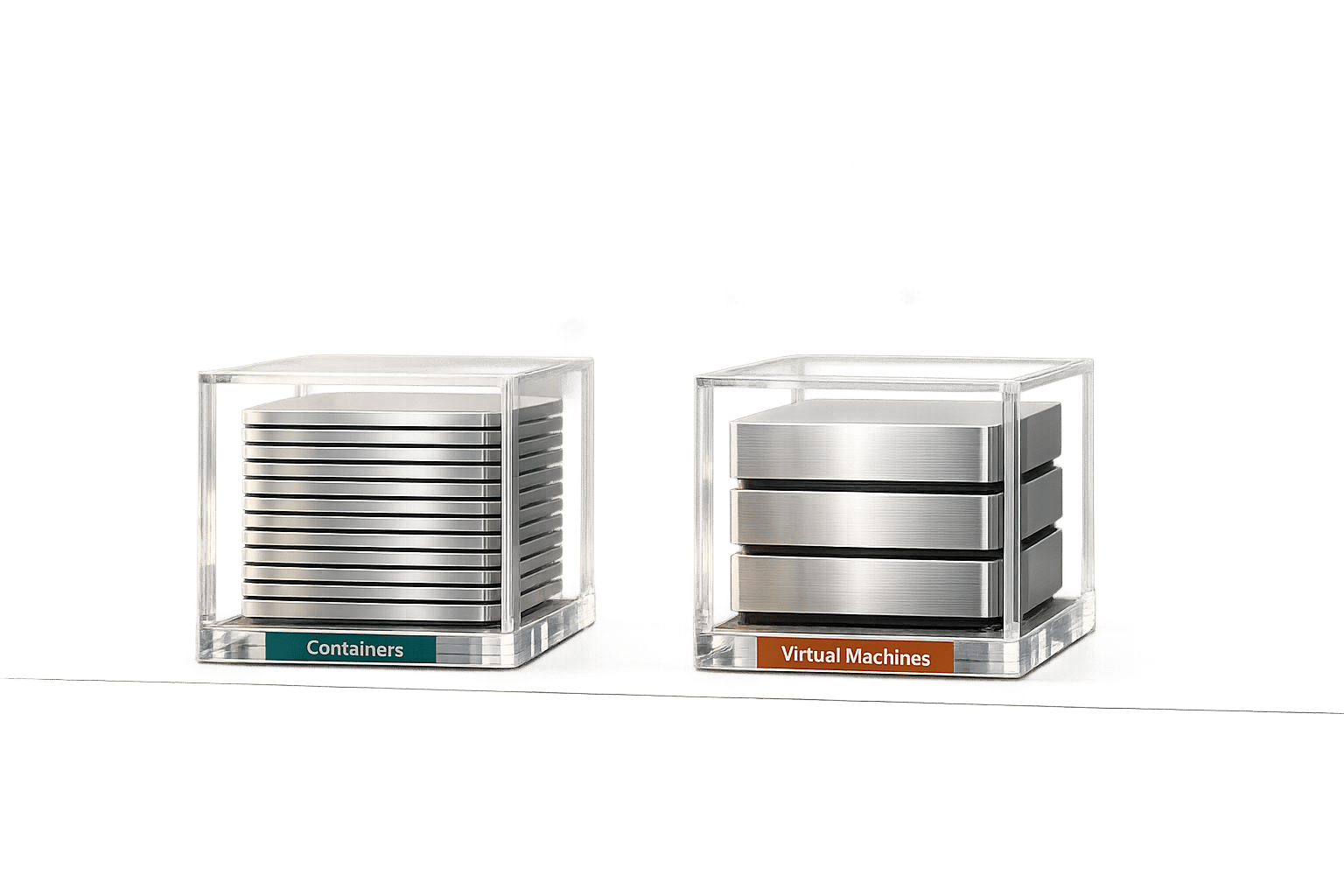
Compare containers and virtual machines by startup speed, memory/CPU overhead, application performance, density and isolation to inform deployment choices.
Read more
Explore how network latency harms multi‑cloud app performance and costs, plus fixes: private links, edge, HTTP/3, eBPF and latency‑aware schedulers.
Read more
Compare thin, thick, hybrid, hyperconverged and cloud-adapted edge architectures to build resilient, low-latency systems while managing cost and complexity.
Read more
Compare cloud cost auditing tools by reporting, integrations, anomaly detection, scalability and policy-driven compliance to cut waste and improve visibility.
Read more
Unchecked persistent volumes and default premium storage silently inflate cloud bills — right-size PVCs, use tiered StorageClasses and automate retention to stop the waste.
Read more
Cloud DR offers low upfront costs but higher long-term bills; on-premises DR needs big initial investment yet often lowers TCO for stable workloads.
Read more