Top 10 Cloud Cost Reporting Tools 2026
Compare top cloud cost reporting tools for AWS, Azure and GCP — focus on allocation, multi‑cloud, Kubernetes and finance exports.
Read moreBlog posts in the Resource Allocation category

Compare top cloud cost reporting tools for AWS, Azure and GCP — focus on allocation, multi‑cloud, Kubernetes and finance exports.
Read more
Forecasts only matter if they change money decisions — tie one clean forecast to an owner and push it into budgets, alerts and reviews.
Read more
Practical guide to safe Kubernetes rolling deployments: set probes, handle SIGTERM, tune maxSurge/maxUnavailable, monitor and rollback.
Read more
Clear guide to PAYG cloud billing in £: how usage is metered, when PAYG fits, cost risks and controls like tagging and rightsizing.
Read more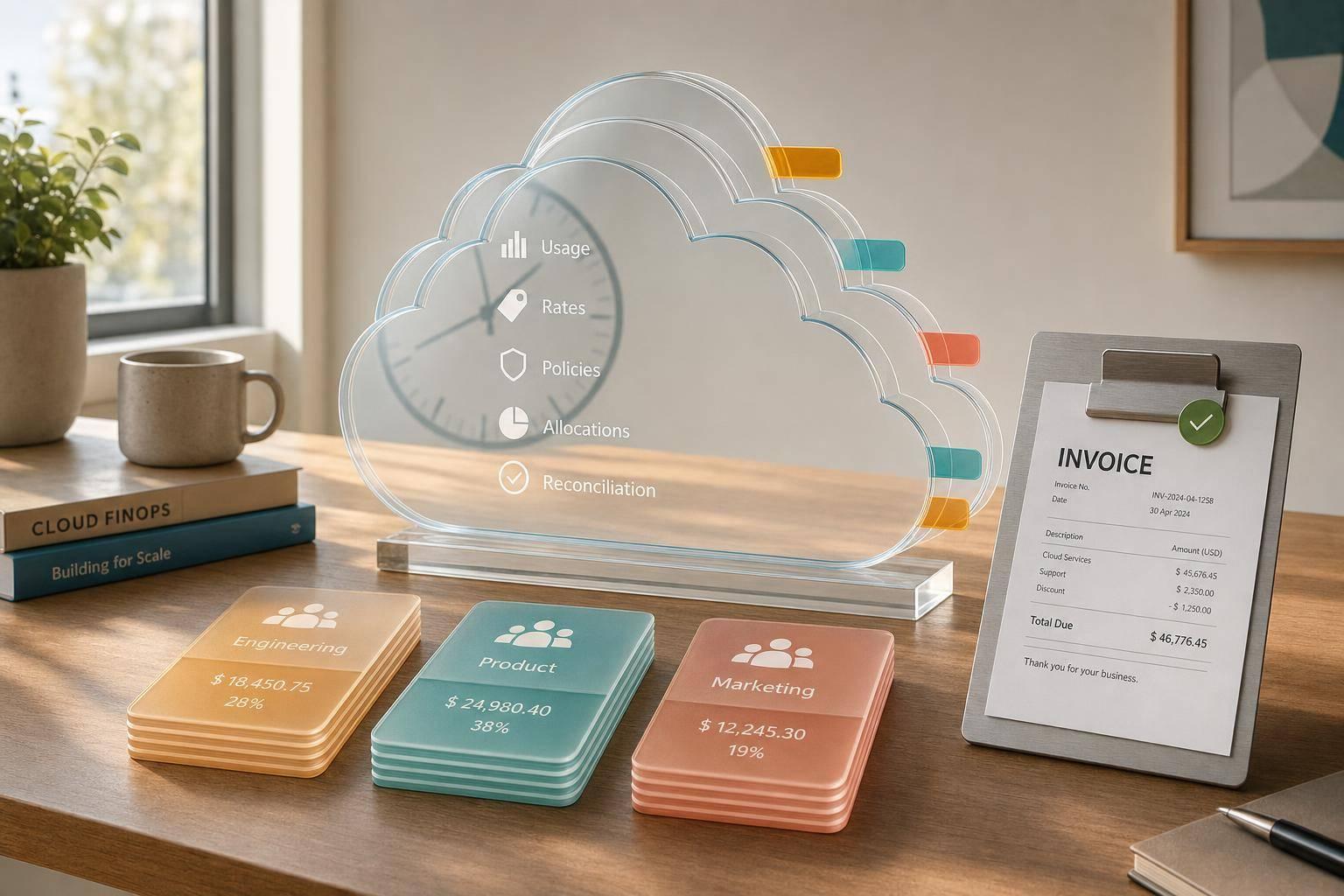
Link elastic cloud spend to teams using time-based usage, simple allocation rules, enforced tags and automated invoice reconciliation.
Read more
Measure 2-4 weeks of usage, set requests and limits from p90–p99, and test under live traffic to cut costs and avoid throttling or OOMs.
Read more
Public cloud often uses less energy per workload; hybrid can be greener when latency, data residency or placement matter.
Read more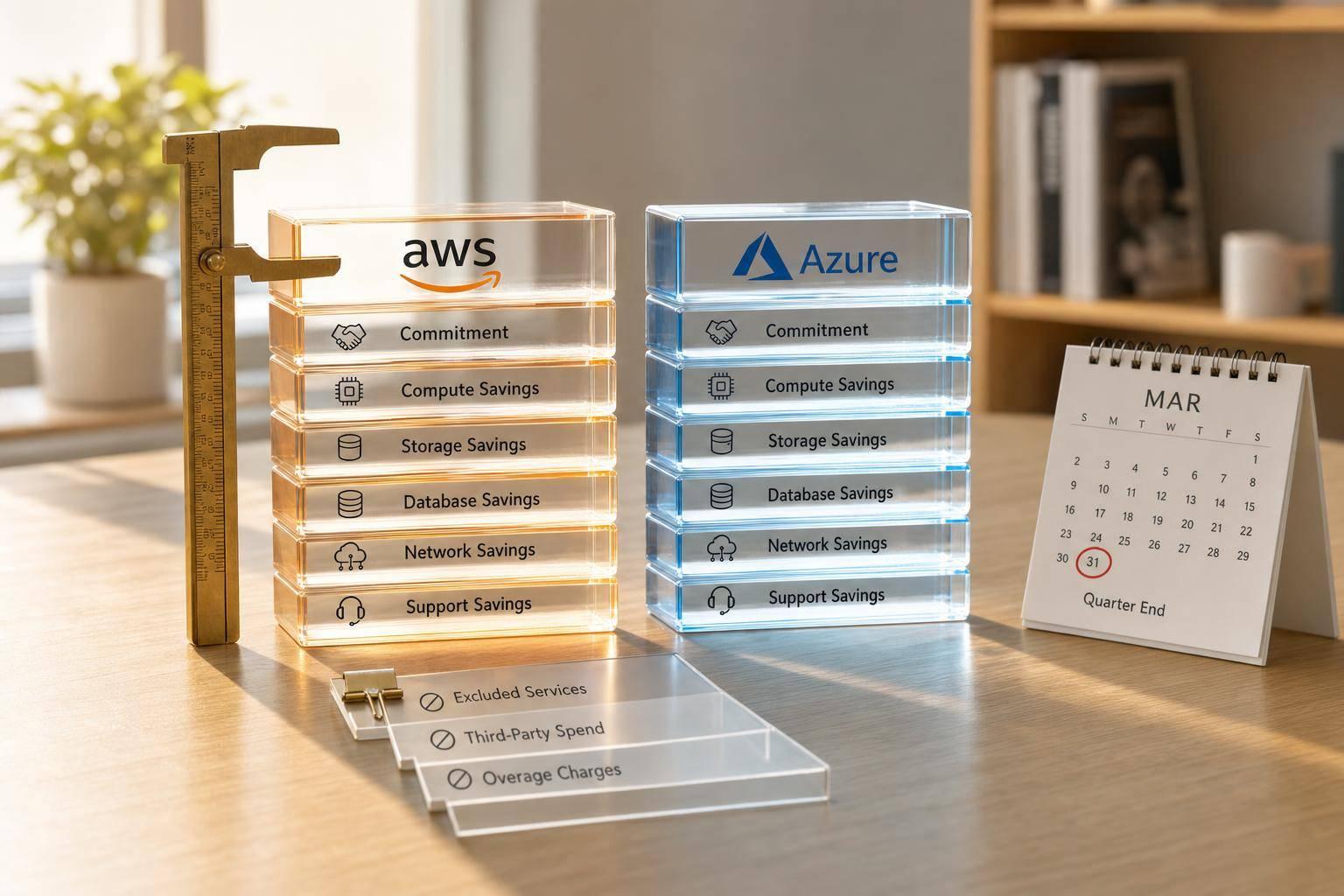
Compare AWS EDP and Azure MACC: how to size commitments, manage exclusions, and time renewals to avoid costly contract shortfalls.
Read more
Hybrid cloud cost control fails when billing, usage and ownership data sit in silos—unify models, enforce tags and allocate shared spend.
Read more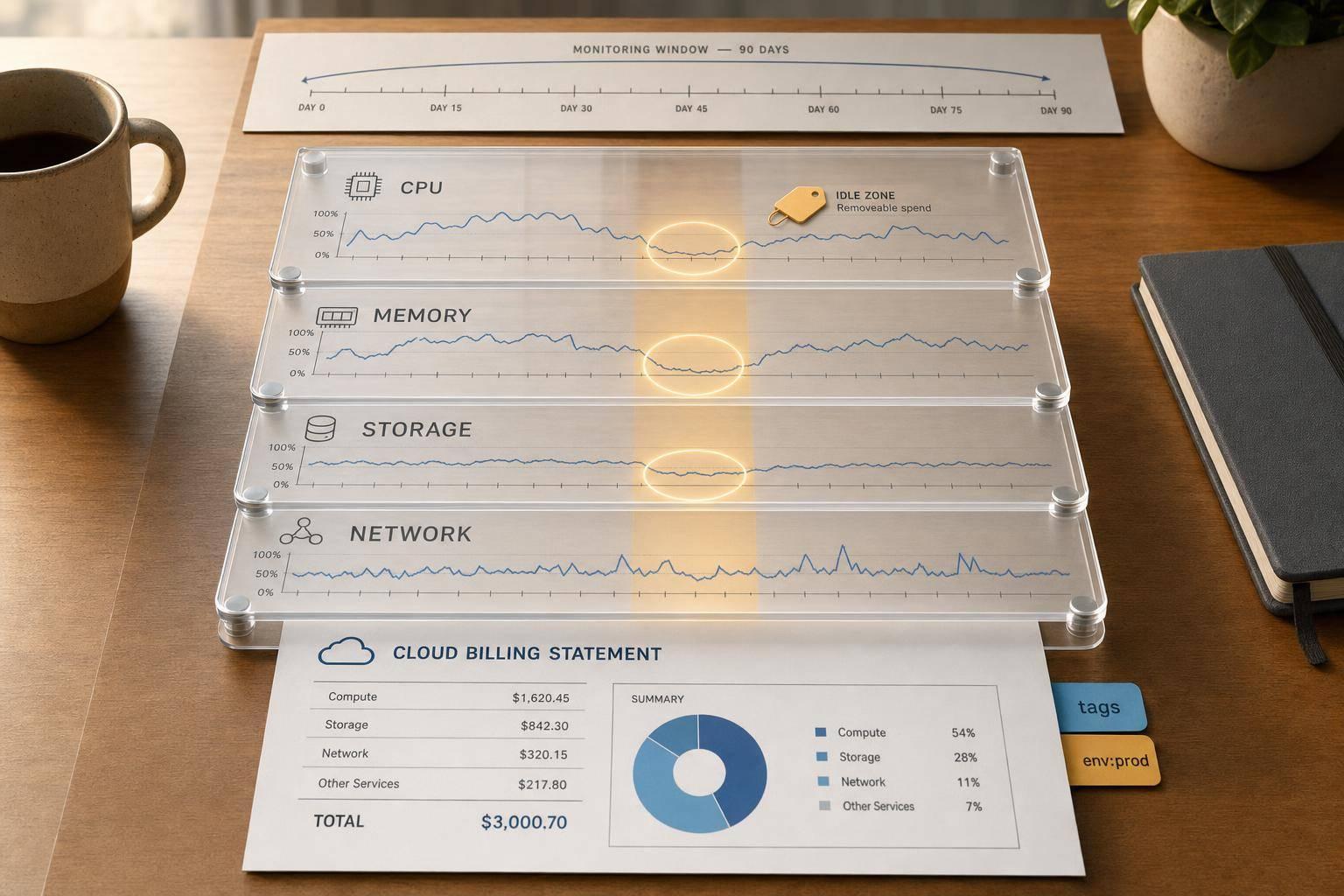
Measure CPU, memory, storage and network over 60–90 days, align monitoring with billing and tags, then act to remove idle cloud spend.
Read more
Treat isolation, quotas, autoscaling and cost reporting as one system to safely run shared Kubernetes clusters.
Read more
Automate tags, billing exports and allocation rules so every pound is assigned, unallocated spend drops and AAI reaches finance-grade 95%+.
Read more